

Feb 9, 2026
6 min
Everything you need to know about investment banking salaries in the UAE.

Dubai is attracting growing interest from aspiring and experienced investment bankers alike and it’s easy to see why. With tax-free salaries, international deal flow, and a vibrant expat lifestyle, the city offers some real advantages. But behind the skyline views and beach weekends, the market is tough, competitive, and selective.
Breaking into investment banking in Dubai takes more than ambition. Roles at top firms are limited, and expectations around hours, output, and experience are just as demanding as in New York or London.
In this guide, we weigh the upsides and downsides of pursuing a banking career in Dubai. You’ll get a clear overview of the most important banks operating in the region, work culture, deals, exit opportunities, and what compensation typically looks like.
To help you take action, we’ve included a step-by-step career plan to improve your chances of landing an investment banking job in Dubai. By the end, you'll have a realistic and structured view of the market and a clear sense of whether this path fits your long-term goals.
Dubai’s investment banking market is growing fast and setting itself apart on the global stage. In 2024, deal volume reached $92.3 billion, up 7% year-over-year, even as global markets declined. With 701 deals, Dubai accounted for 5–10% of Asia-Pacific’s deal flow, putting it on par with Canada's entire IB market. The UAE now commands 40% of regional investment banking fees, with Dubai firmly established as the core hub.
Three sectors are driving this momentum:
Policy support continues to fuel growth. The Dubai Economic Agenda D33 targets a AED 32 trillion economy by 2033. Meanwhile, the Dubai International Financial Centre (DIFC) hosts 6,920 companies, with total revenue up 37% year-on-year to AED 1.78 billion.
Recruiters describe 2025 as a “bonkers” hiring year. After the post-pandemic slowdown, banks are aggressively expanding lean teams. The result? Faster career progression. At bulge bracket banks in Dubai, promotion to VP typically takes 5.5 years. This is a full year faster than the norm in traditional markets like London or New York.

Dubai has rapidly established itself as a serious alternative to more traditional financial hubs. From unmatched tax benefits to accelerated career progression, the city offers measurable advantages that directly impact both compensation and professional growth.
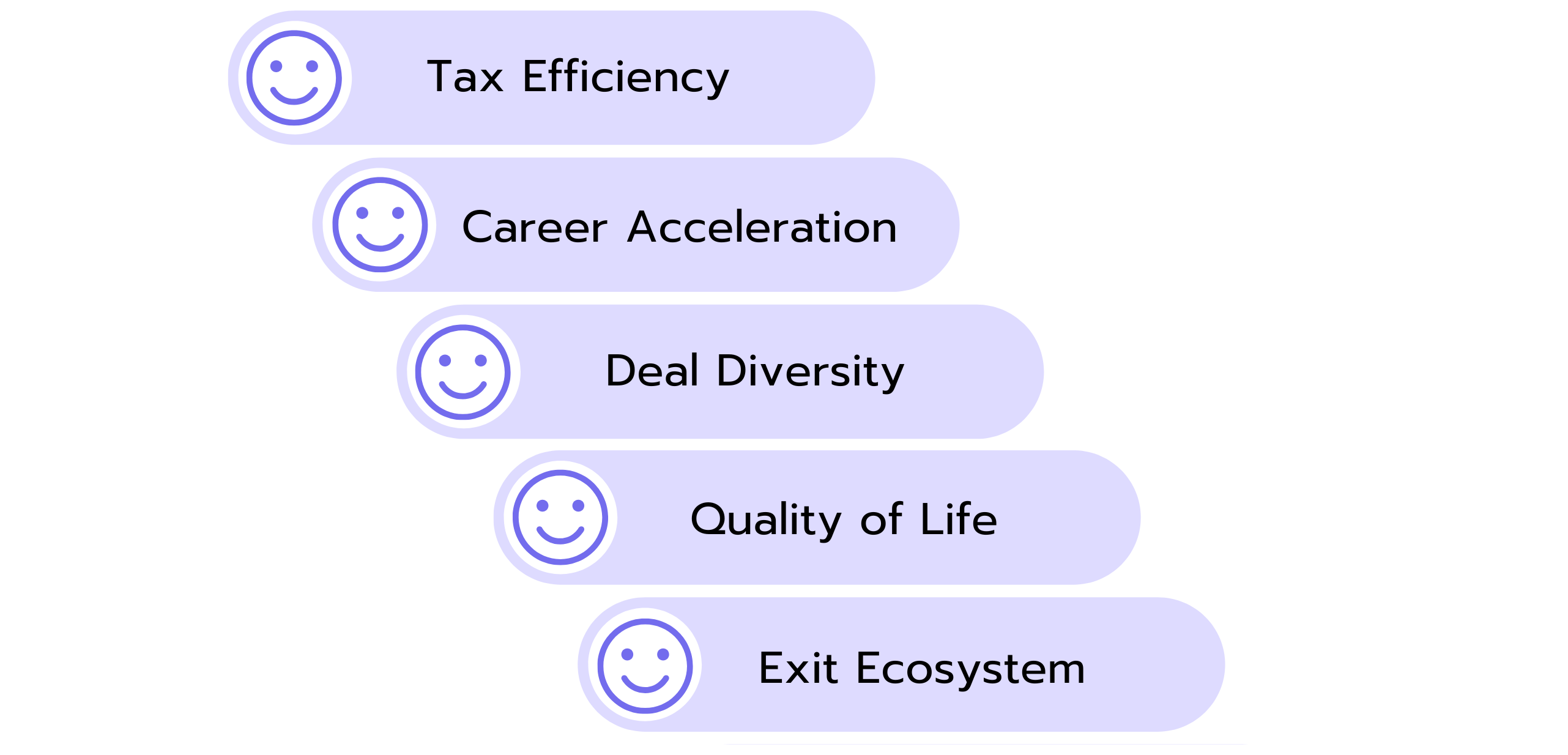
Zero personal income tax transforms compensation packages. An analyst earning $90,000 saves approximately $45,000 annually compared to London peers. Associates save $65,000, VPs save $120,000, and MDs can save $400,000+ depending on total compensation.
Dubai promotes VPs in 5.5 years on average versus 6.5 years in major financial centers. Bank of America, Barclays, and UBS consistently demonstrate faster advancement timelines. Smaller team sizes mean high performers gain visibility and become indispensable faster.
Regional exposure spans 15+ countries with unique transaction types. Dubai bankers work on sovereign wealth fund deals, government infrastructure projects, and cross-border M&As. These involve entities like ADIA, PIF, and Mubadala that colleagues in traditional centers rarely see.
Dubai ranks among the world's safest cities with exceptional infrastructure. Sunny all year, this strategic travel hub connects 2.5 billion people in four hours. With over 90% expatriates, it fosters a global professional atmosphere.
The region now hosts 150+ private equity firms, 75 hedge funds in DIFC, and major sovereign wealth funds actively hiring ex-bankers. Buy-side opportunities grew a lot. Institutions like ADIA, which manages $993 billion, are hiring professionals trained in Dubai.
For all its upsides, Dubai banking comes with real challenges. Market limitations, an intense working culture, and regulatory hurdles shape the environment. Professionals must weigh these factors carefully before making the move.
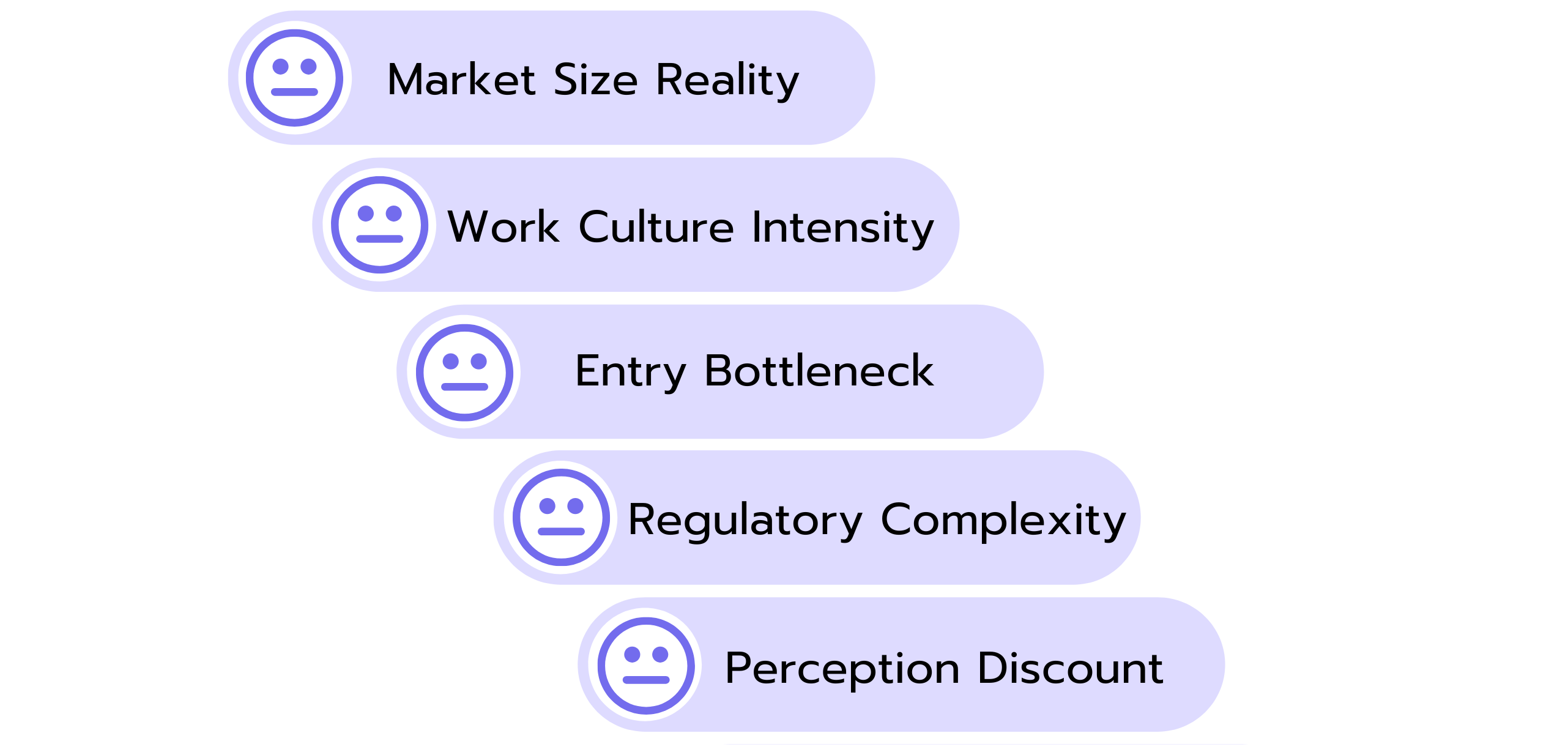
MENA's $50-100 billion annual M&A volume equals just 5-10% of Asia-Pacific activity. Fewer large-cap deals mean limited product variety and less frequent transactions. The largest MENA deal in 2024 would be routine in New York but represents a rare mega-transaction regionally.
Expect 70-80 hour standard weeks with 100+ hour surges during live mandates. Regional clients sometimes require more guidance throughout the deal process compared to clients in more mature markets. Teams run lean, so junior bankers shoulder heavy workloads without backup.
Across all banks in Dubai, only a few dozen analyst roles open up each year. JPMorgan might hire 2-3 analysts, Goldman Sachs 1-2, compared to 100+ person analyst classes in New York. Most positions fill through off-cycle processes rather than structured recruiting.
Banks navigate four UAE regulators: DFSA, FSRA, SCA, and Central Bank. The Dubai Financial Services Authority issued over $2.5 million in fines in 2024, demonstrating strict enforcement. Compliance costs exceed single-jurisdiction markets.
UK and US recruiters sometimes discount Dubai experience when candidates seek to return to traditional centers. While unfair, this bias makes mobility harder. Mitigation requires maintaining global connections and highlighting transferable skills from sovereign wealth fund transactions.
Other things to think about are August heat reaching 45°C, weekend sync shifts, and changing expat social dynamics.
Dubai’s investment banking scene is shaped by a mix of global giants, elite boutiques, regional champions, and emerging players. Understanding where each bank sits in the market, and what they focus on, can help you prioritize your applications and tailor your preparation.
These are the dominant players in Dubai’s M&A and capital markets landscape. They handle the region’s largest and most complex transactions.

J.P. Morgan consistently tops MENA M&A league tables, having closed more than 20 deals in 2023. The Dubai office hires just 2–4 analysts annually, making the process one of the most competitive in the region.

Goldman Sachs operates from Level 7 in the DIFC and has been rebuilding its presence in the Gulf following the resolution of legacy compliance issues. The firm is especially active in equity capital markets and lean deal teams mean early exposure for junior bankers.
👉 Goldman Sachs Interview Guide

Morgan Stanley expanded its regional footprint with a new Abu Dhabi office in early 2024, complementing its Dubai-based team. The firm covers clients across energy, infrastructure, and sovereign wealth.
👉 Morgan Stanley Interview Guide

Bank of America is gaining momentum in the region, jumping from 11th to 5th place in MENA investment banking rankings. Its team, based in Brookfield Place, has been actively hiring VPs and analysts to support growing deal flow.
👉 Bank of America Interview Guide

Citigroup brings over 60 years of experience in the UAE and operates out of its DIFC headquarters. Known for strong capabilities in structured finance, Citi remains a key player in both public and private transactions across the region.
Boutique banks in Dubai offer smaller teams, faster responsibility, and direct involvement in high-profile transactions.
Rothschild & Co leads the boutique segment with more than 175 MENA transactions worth over $100 billion since 2010. The firm is known for full in-house execution and strong analyst development.

Moelis & Company maintains a robust regional presence, having advised on landmark deals such as the Aramco IPO. It offers full execution capabilities in-house and is known for offering top-quartile bonuses.
Lazard is active in Dubai through selective mandates, especially in infrastructure and energy transition sectors. While much of its regional coverage is led from London, its Dubai team has been growing steadily.

Houlihan Lokey is a restructuring powerhouse in the region. The firm is especially active in mid-market transactions and special situations, with strong coverage across the GCC.
These banks leverage local connections, regulatory familiarity, and long-term government relationships to stay competitive.
First Abu Dhabi Bank (FAB) is the largest financial institution in the UAE and dominates local bond markets. It plays a leading role in syndicated lending and fixed-income issuance.
Emirates NBD Capital has earned recognition as the “Best Investment Bank in the UAE,” according to Euromoney. It is particularly strong in debt capital markets and project finance.
While newer to the Dubai scene, these firms are expanding their presence and offer opportunities in specific market segments.

CICC opened its DIFC branch in May 2025 and is targeting China–Gulf corridor transactions. It focuses on cross-border advisory and outbound M&A, especially with Chinese state-owned clients.

BNP Paribas maintains a stable presence in the region with a focus on trade finance, structured lending, and treasury services.
Standard Chartered

Standard Chartered leverages its deep roots in emerging markets to serve clients across the Middle East, Africa, and South Asia. In Dubai, the bank focuses primarily on trade finance and debt advisory, with selective involvement in strategic transactions.
Entry-level base salaries for analysts in Dubai typically range from AED 240,000 to 420,000 per year, depending on the bank’s tier and the role’s specific focus (e.g., M&A vs. coverage). In addition to base pay, analysts usually receive an annual bonus of 50–70%, with high performers at elite boutiques occasionally exceeding that range.
Elite boutiques like Rothschild and Moelis tend to offer higher total compensation than bulge brackets, often 10–15% more, due to their leaner teams and performance-linked reward structures. At these firms, analysts can also expect earlier exposure to deal execution and direct client work, which adds long-term value to their career trajectory.
Bulge bracket banks offer more standardized compensation structures, along with larger benefits packages, including housing support, relocation allowances, and medical coverage. While bonuses are sometimes slightly lower than those at boutiques, the brand name, training, and global mobility options can add significant non-monetary value.
Mid-level professionals (e.g., Associates and VPs) see meaningful jumps in compensation. Associates typically earn AED 550,000 to 750,000 base, with bonuses pushing total comp well into the seven-figure AED range. VPs and Directors in high-performing teams can earn AED 1.2M+ annually, depending on the platform and deal flow.
👉 Still curious about IB salaries in the UAE? Check out our full guide!
Breaking into Dubai’s investment banking market takes more than strong credentials. With limited graduate roles and high competition, a focused and strategic approach is key. Here’s a clear five-stage framework to help you position yourself effectively and build long-term success in the region.
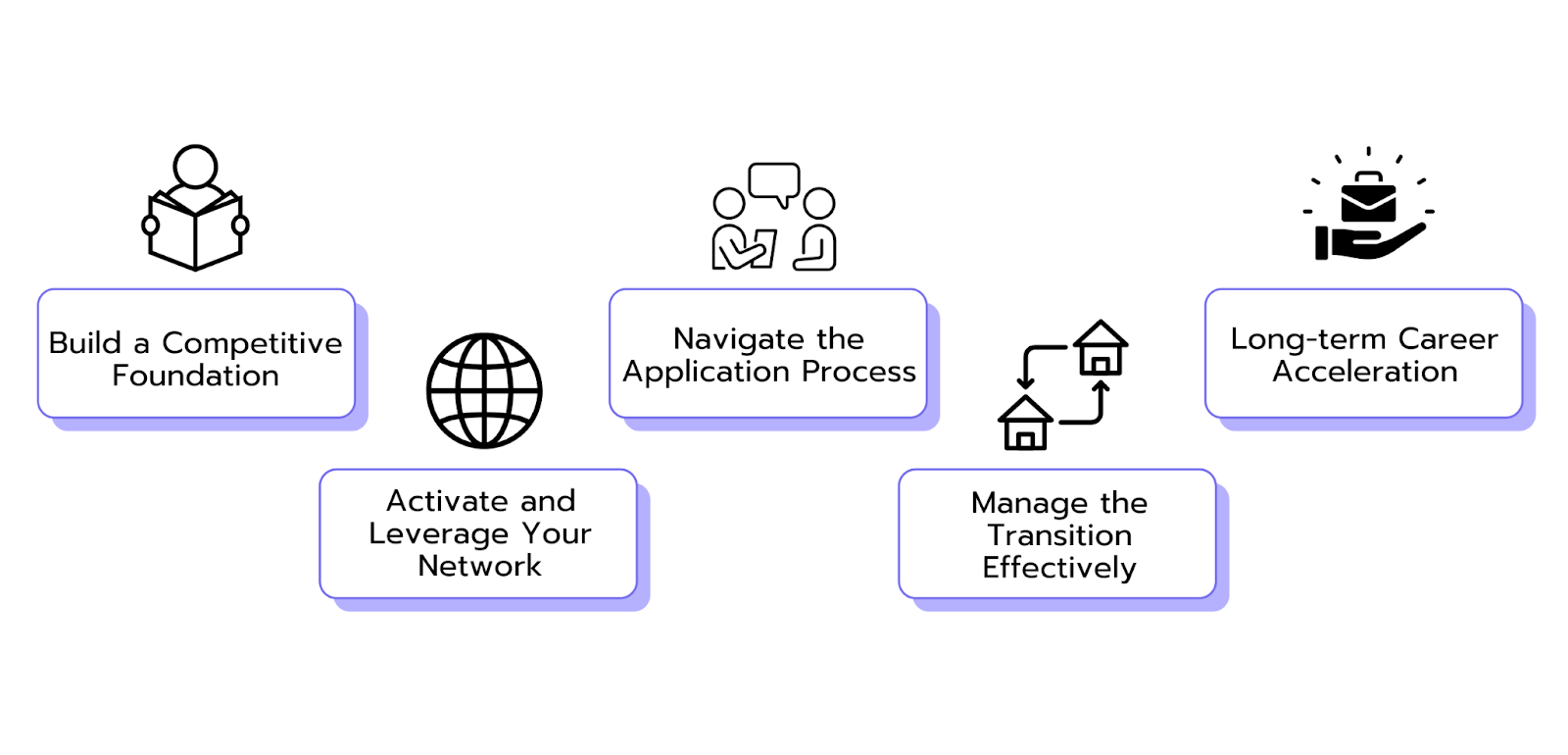
Strong academic credentials are essential. Target top-tier institutions such as the Ivy League, Oxbridge, or respected regional alternatives like London Business School’s Dubai campus. Beyond academics, focus on technical preparation.
Use targeted resources to sharpen your modeling skills and case interview performance, especially with Dubai-specific deal examples. Understanding local business etiquette and cultural dynamics is also crucial. While English is the main working language, basic Arabic skills can provide a useful edge in client interactions.
Dubai’s compact geography and tight-knit business environment make in-person networking unusually effective. Attend events at DIFC, join finance communities, and schedule informal coffee chats.
Alumni from your university or past employers are particularly valuable, as Gulf markets are highly relationship-driven. Practice mock interviews with peers who are also targeting Dubai to sharpen your pitch.
👉 Want to take your networking skills to the next level? Check out our guide on networking in investment banking!
Recruiting in Dubai often happens off-cycle, with openings appearing suddenly and closing within days. Regularly check bank career portals and be ready to submit high-quality applications at short notice. Interviews in Dubai tend to be rigorous.
Expect case-style technical questions, 90-minute modeling tests, and detailed market discussions. If graduate roles prove difficult to access directly, consider building 1–2 years of experience elsewhere, then applying for a lateral transfer.
👉 Want to stand out in your interview? Choose from a variety of cases to practice from our case library!







Once you secure an offer, start preparing early for the logistics. Employment visas, housing arrangements, and setting up local banking can take time, especially if you're relocating from abroad. Discuss internal performance expectations during onboarding, as review timelines and promotion paths may differ from those in London or New York. If you're moving within a global bank, clarify regional mobility options upfront.
Career growth in Dubai depends on more than technical skill. In lean teams, standing out means building strong client relationships, sourcing deals, and taking ownership early. Focus on developing connections with sovereign wealth funds and family offices, which play a key role in the region’s deal flow. At the same time, keep an eye on longer-term mobility options through internal transfer programs.
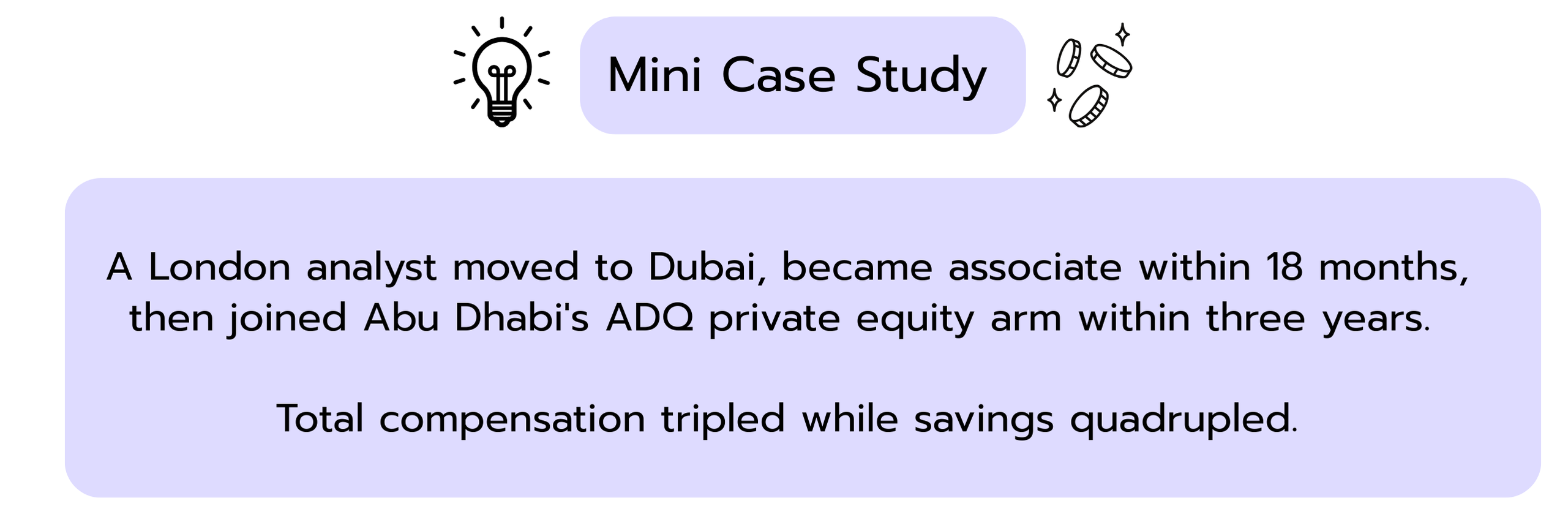
A move to Dubai can pay off: tax savings for Vice Presidents often exceed $120,000 per year, adding up to $600,000+ over five years. Combined with faster promotions and regional exits, the upside is clear.
Fit matters though. Dubai suits mid-career bankers (with 3-10 years of experience) aiming to maximize earnings, gain international exposure, and work with sovereign and family office clients. It’s less ideal for new grads without a network, those focused on work-life balance, or anyone planning a quick return to Western markets.
For many, the best path is to build experience in London or New York first, then lateral to Dubai once you have a stronger foundation.