Have you ever wondered how healthcare investment banking differs from general IB roles? To understand this, it's worth looking at the structure of leading investment banks. These firms typically organize their departments along two main axes:
Product groups such as M&A, IPOs, or Debt Capital Markets
Industry teams like healthcare, technology, or energy
Healthcare investment bankers are usually part of an industry team that advises companies in the healthcare sector on mergers and acquisitions (M&A), initial public offerings (IPOs), or capital raising.
Keep reading to discover what healthcare investment bankers actually do, why this sector is so unique, which banks lead in this space, and how you can break into this exciting field.
Healthcare investment banking covers similar areas of responsibility as other investment banking divisions, but stands out due to the complexity of its deals and its specialization in the healthcare sector.
Core Responsibilities in Healthcare Investment Banking
The key tasks include:
Advising on mergers and acquisitions (M&A)
Raising capital through initial public offerings (IPOs) or bonds
Strategic advisory and support with restructurings
Day-to-Day Work: Junior vs. Senior Bankers
In daily operations, the roles mirror classic investment banking structures:
Analysts and Associates prepare pitch books, build financial models, develop client presentations, conduct research, and support due diligence processes.
Vice Presidents and Managing Directors focus on deal origination, maintain strong client relationships, and manage the execution of complex transactions.
What Makes the Healthcare Sector Unique
The real difference is in the details:
Analysts must consider clinical trial phases and their success probabilities during company valuations — for instance, using FDA criteria in the US.
Senior bankers collaborate with pharma and biotech executives who think in long-term innovation cycles of up to ten years, not just in quarterly results.
These factors make a career in healthcare investment banking both demanding and uniquely exciting, as it combines deep financial expertise with a strong understanding of the healthcare industry.
Land your top job with PrepLounge!
Sign up now for free and get access to our Q&A, top coaches, preparation tools and much more.
Most Important Investment Banks in Healthcare Investment Banking
If you're intrigued by the unique aspects of healthcare investment banking, it's important to know which banks lead the sector. Almost all major investment banks have dedicated healthcare groups, but a few firms dominate the healthcare league tables thanks to their deal-making power, strong client relationships, and deep expertise in pharma, biotech, MedTech, and healthcare services.
Top 10 Banks for Healthcare Deals
The following firms consistently rank among the top players in healthcare M&A:
These investment banks are considered the top 10 in the healthcare sector, playing a leading role in both mega-deals and complex cross-border transactions.
Other Key Players in the Mid-Market
In addition to the top-tier banks, several specialized firms have built strong track records in mid-market and small-cap transactions. These include:
While these banks may not always appear at the top of global league tables, they are significant players in niche markets and mid-sized healthcare M&A deals.
💡 Tip: Always review recent deals and market share data to realistically assess a bank’s activity in healthcare investment banking.
👉 In our guide on the top investment banks worldwide, you’ll find detailed insights into the leading firms and their areas of specialization.
Healthcare Investment Banking: What Makes the Healthcare Sector Unique
As mentioned earlier, deals in the healthcare industry come with distinct challenges. Every investment banking sector has its nuances, but healthcare investment banking is widely considered one of the most complex and specialized fields. Key reasons include strict regulations, extensive due diligence, a diverse client base, unique deal structures and valuation methods, and a rapidly evolving market environment.
Strict Regulations: FTC, FDA, and Patent Cliffs
The healthcare sector is far more regulated than most industries, which significantly impacts M&A strategies, deal execution, and transaction structures. The Federal Trade Commission (FTC) in the US closely scrutinizes mergers and acquisitions in healthcare—especially involving hospitals or insurers.
FDA approval also plays a crucial role: a single regulatory decision can add or erase billions in market value. On top of that, expiring patents create so-called "patent cliffs," where revenues drop sharply due to generic competition. For healthcare investment bankers, it's essential to understand these regulatory risks in order to provide sound advice to clients.
Due Diligence in Healthcare Deals: Clinical Data, Patents & Risks
One major difference in healthcare M&A is the depth of due diligence involved. Buyers must evaluate clinical trial data, assess regulatory risks, and analyze intellectual property rights. In biotech transactions, external scientific advisors are often brought in to review preclinical data. This is something rarely seen in other industries.
As a result, healthcare M&A deals typically take 12 to 18 months, compared to 6 to 9 months in most other sectors.
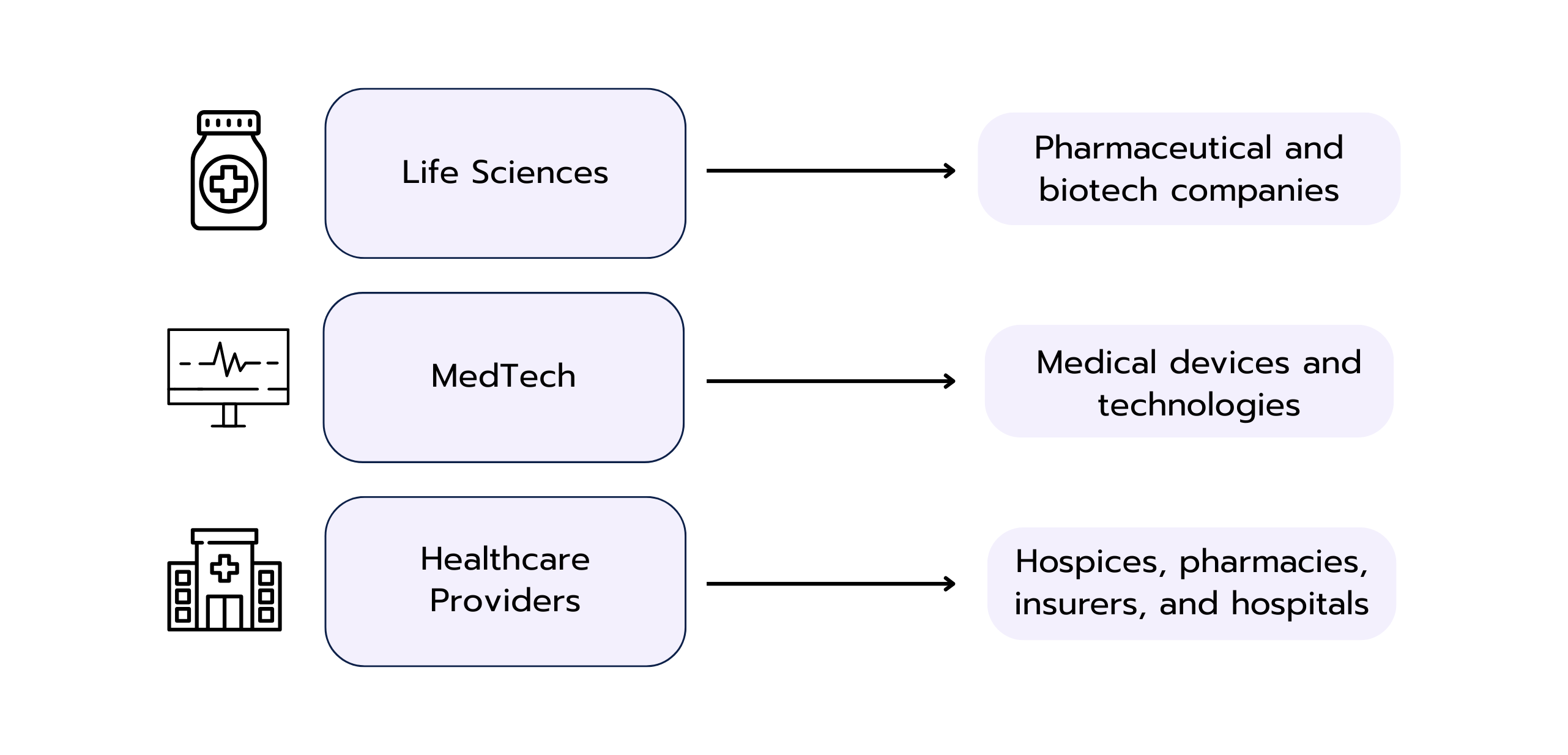
A Diverse Client Base: Pharma, MedTech, and Providers
The client landscape in healthcare is highly diverse, covering three main segments:
Each sub-sector, from healthcare IT to biotech, has its own market dynamics, competitive landscape, and scientific foundations. Investment bankers must understand these to deliver real value to their clients.
Unique Deal Structures in Healthcare Investment Banking
In addition to traditional M&A and capital raising, specialized deal structures are common in healthcare:
Joint Ventures: Collaborations that involve creating a new entity
Asset Swaps: Exchange of business units or product rights
Licensing and Royalty Models: Participation in future revenue streams
Valuation also follows different rules. Instead of standard models, risk-adjusted net present value (rNPV) is often used, which factors in the likelihood of regulatory approval. For example, a biotech firm with no current revenue can still be worth billions if its pipeline is promising—say, a 10% success rate in Phase I vs. 70% in Phase III.
Top Tips for Preparing for Healthcare Investment Banking Interviews
If you’ve made it past the first round of healthcare investment banking recruiting, it’s time to prepare strategically and efficiently for your interviews. Successful candidates combine self-study, behavioral training, mock interviews, and—if needed—professional coaching.
Self-Study: Industry Knowledge and Healthcare-Specific Topics
Set aside dedicated study time to master both finance fundamentals and healthcare-specific concepts. Key areas include:
Once you’re confident in your knowledge, start doing mock interviews. They help you structure responses, handle pressure, and communicate complex ideas clearly. Focus on:
The clarity and structure of your answers
Pacing and precision in your responses
Body language and overall presence
The more realistic the mock setting, the easier it is to spot blind spots and gain confidence for the real interview.
👉 On our Meeting Board, you can connect with like-minded peers to schedule mock interviews and prepare effectively for your upcoming interviews.
After several mock interviews, a professional IB coach can give you the edge, especially when targeting competitive healthcare teams or elite firms. These coaches know what top banks look for and help refine your blend of technical skills, storytelling, and sector knowledge.
💡 Tip: Come prepared to your coaching session. Master the technical basics, know your CV inside out, and bring specific questions. This allows you to focus on the high-impact refinements that set you apart.
👉 PrepLounge features expert coaches who can help you prepare for interviews at top banks—hands-on and with a focus on healthcare IB.
Trends and Opportunities in Healthcare Investment Banking
To succeed in healthcare investment banking, you need to understand current developments and future trends in the healthcare industry. This sector is undergoing profound transformation, driven by technological innovation, demographic shifts, and new care delivery models.
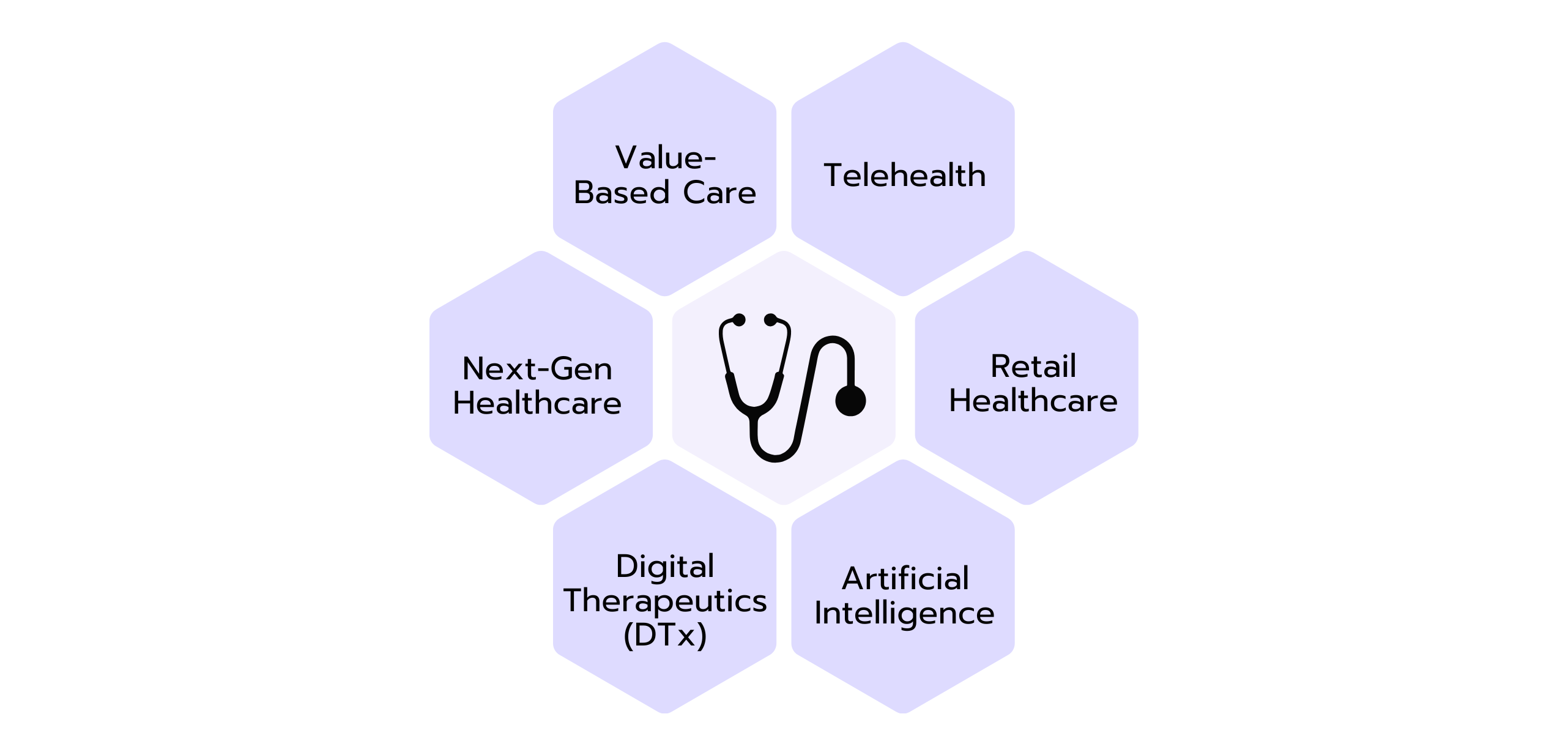
Key Trends in the Healthcare Sector
Value-Based Care: Reimbursement based on treatment outcomes rather than volume of services. This shift requires new financing strategies and presents attractive opportunities for investors.
Telehealth: Virtual doctor-patient interactions are becoming the norm. Demand for scalable digital health solutions continues to grow.
Retail Healthcare: Healthcare services are moving out of traditional clinics and into pharmacies, supermarkets, and other settings. This model improves access and opens new markets.
Artificial Intelligence: AI is transforming diagnostics, drug development, and patient management. In pharma, this leads to major efficiency gains.
Digital Therapeutics (DTx): FDA-approved apps for treating ADHD, addiction, and other chronic conditions are gaining traction. The segment is growing fast and operates in a well-defined regulatory environment.
Next-Gen Healthcare: Emerging areas like behavioral health, wellness, health IT, and data analytics offer new business models and high scalability.
Consolidation and M&A on the Rise
Market consolidation is accelerating. Mergers between hospitals, physician groups, and outpatient providers are forming new care networks. Cross-sector deals, such as CVS Health with Aetna or Amazon with One Medical, are also becoming more common. As a result, the healthcare M&A market remains highly active, with both strategic buyers and private equity investors seeking attractive targets.
Demographic Shifts as Growth Drivers
The number of Americans over 65 is expected to double by 2060, creating sustained demand for sub-sectors like senior housing, dementia care, and homecare services. The aging baby boomer generation fuels long-term growth and makes healthcare an appealing sector for long-horizon investments.
Career Opportunities in Healthcare Investment Banking
Healthcare investment banking is one of the most dynamic fields in finance. The mix of strict regulation, rapid innovation, and growing demand for healthcare services means banks are constantly executing new transactions. From pharma and biotech M&A to capital raises for MedTech firms, the variety of projects creates exciting opportunities for junior professionals.
These trends are driving more deal activity. And with that, healthcare teams are expanding and hiring. That significantly boosts your chances of breaking into healthcare investment banking.
Popular Exit Opportunities from Healthcare IB
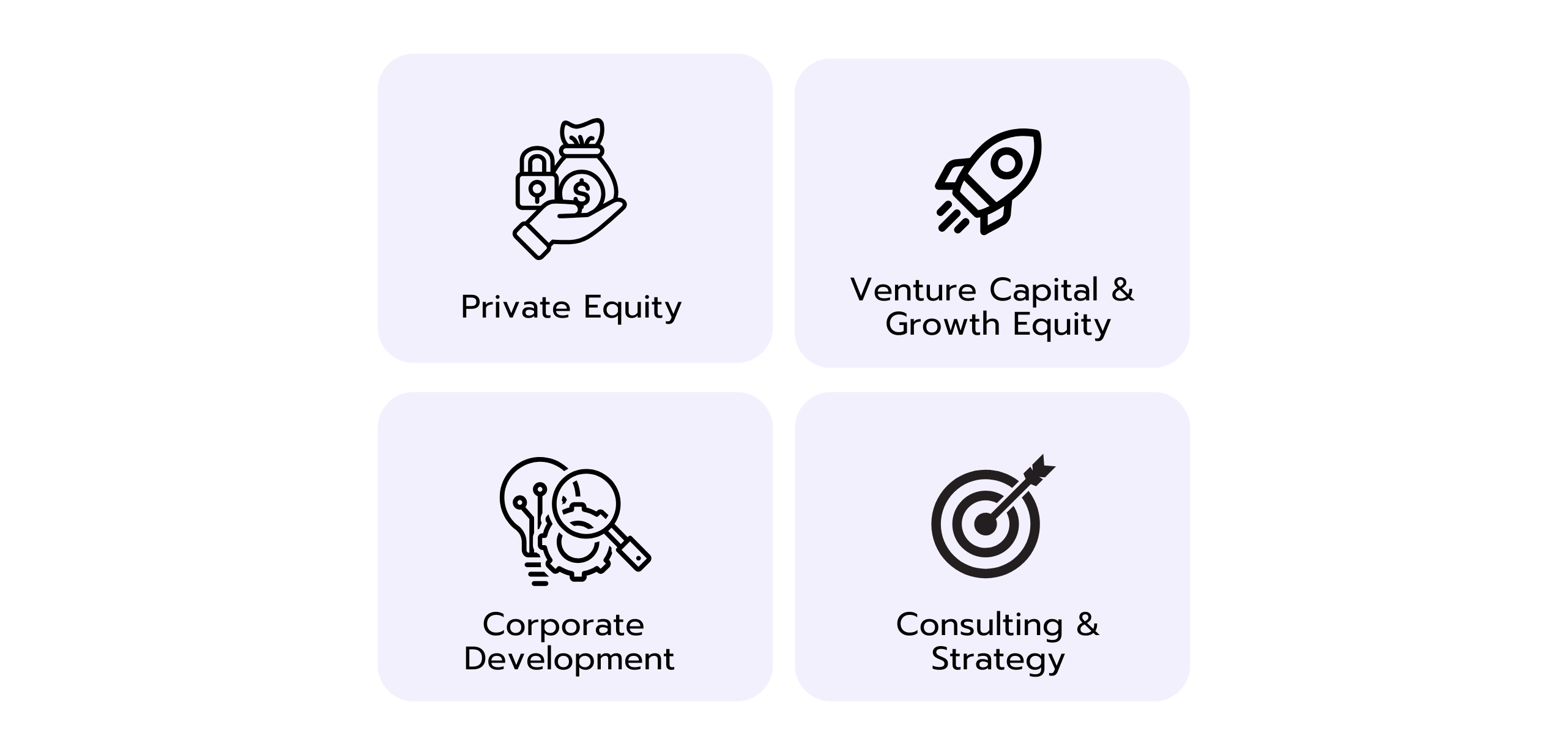
After gaining a few years of experience in healthcare IB, you’ll find a wide range of attractive exit paths:
Private Equity: e.g., KKR, Blackstone, TPG, or specialized healthcare PE funds
Venture Capital & Growth Equity: especially in biotech and digital health
Corporate Development: at pharma, biotech, healthtech, or MedTech companies
Consulting & Strategy: in healthcare consulting or policy roles
These exit options make healthcare IB not just a compelling career entry point, but also a launchpad for long-term success in both healthcare and finance.
Key Takeaways
Healthcare investment banking is one of the most demanding (and rewarding) specializations in finance. Professionals in this field work with pharma giants, biotech startups, hospital chains, and MedTech innovators, advising on some of the most complex deals in the industry.
While many responsibilities resemble those in other IB groups, unique factors such as rNPV-based valuations, intensive due diligence, a diverse client base, strict regulatory oversight, and fast-paced technological change create a distinctive working environment.
To enter this field, prepare strategically through structured self-study, realistic mock interviews, and professional coaching. This approach boosts your chances of landing an offer and sets the foundation for an exciting career in private equity, venture capital, or corporate development.
Land Your Top Job with PrepLounge!
Sign up now for free and get access to our blog, top coaches, preparation tools and much more.