Types of Interview
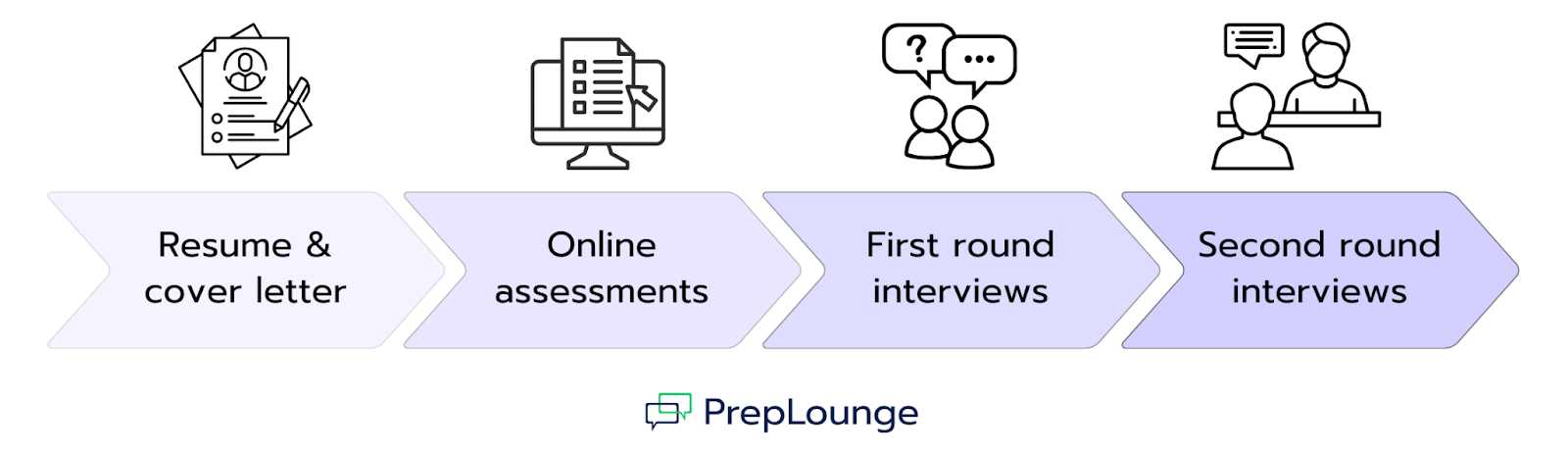
Roland Berger has three interview formats across their network: experience/fit, case questions, and a written case interview. Though some offices might add a group case. Let's take a closer look! 🔎
Experience / Fit Interview
Roland Berger fit questions can sound easy or harmless. But underneath they’re probing for who you are beyond your CV, how you make decisions under pressure, whether you're genuinely self-aware, and why you chose Roland Berger specifically.
Though there are no right or wrong answers, the firm does have an implicit ideal profile which your answers must signal to come off as a great fit. That’s why it’s important to study the firm well, including its three core values, the 9 Pledges, what distinguishes it from MBB, and what interviewers expect in candidates. Generally, Roland Berger’s fit interview questions fall under these categories:
Behavioral: Specific past experiences that reveal how you act under pressure, in teams, or facing failure. Interviewers use these to see if you’re decisive, action-oriented, and capable of taking ownership rather than waiting to be directed.
- What experience are you most proud of?
- What is an example of a time when you showed initiative and leadership?
- Describe a role where you changed the direction of a team. How did you do it?
- What is a difficult decision you have made in the last year?
Motivational: Why consulting, why Roland Berger, and why now. These types of fit questions help interviewers know if you’ve researched the firm well and have a genuine connection to this firm's identity and direction.
- Why are you interested in Roland Berger?
- Why are you interested in consulting?
Self-Reflective: Self-awareness about strengths, weaknesses, and working style. Here, interviewers are screening for intellectual honesty. They want candidates who can assess themselves clearly and show they actively learn from experience.
- What experience do you wish you could do over, and how would you do it differently?
- What aspects of your internship did you like less?
- What attributes would you bring to a case team?
Values & Identity: Who you are beyond work, and what you stand for. These questions assess culture fit and determine whether you'd thrive in Roland Berger's entrepreneurial environment.
- What do you most like to do in your free time?
👉 Check out the Integrated FIT Guide from our expert Clara or practice with our stress question tool for your experience interview at Roland Berger.
Case Questions
The next most common Roland Berger interview structure is standard case interviews, which are all based on real-life client examples. The interviewers are encouraged to use their own client engagements for their case interview questions because they know them well and will be able to provide data and context easily.
This also means that Roland Berger case topics tend to mirror actual practice areas instead of getting generalist strategy problems. If you're being considered for a Digital, Sustainability, Financial Services, or Automotive team, expect your case to reflect that area. So, it’s worth researching the practice area you're interviewing for and reading a few of Roland Berger's published studies on that topic before your interview.
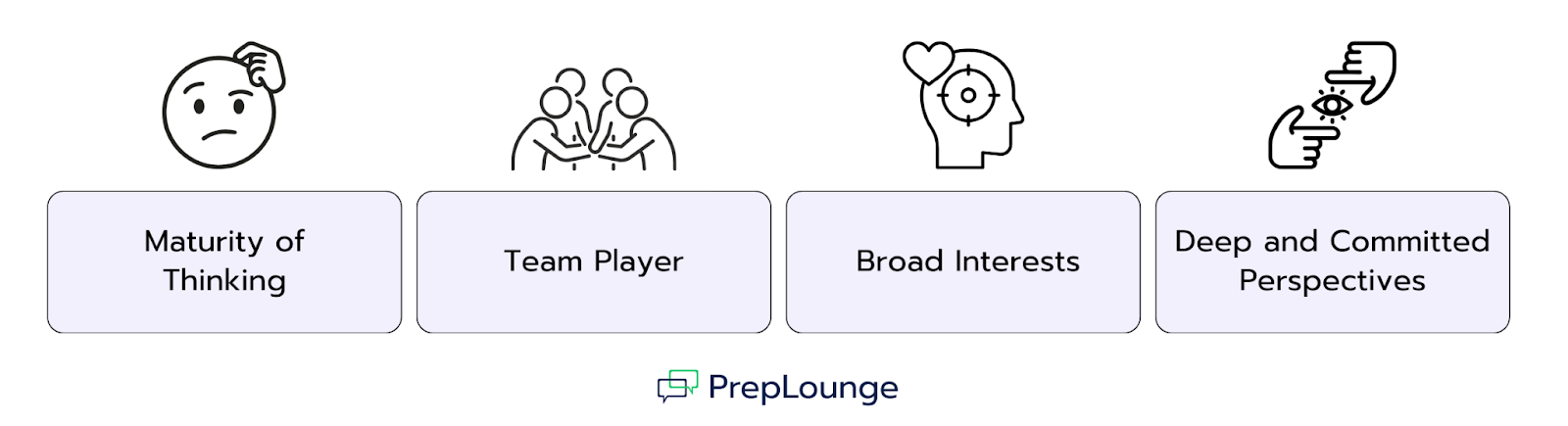
During the case interviews, Roland Berger’s interviewers assess candidates over a number of different attributes such as:
👉 Scoring well across all these attributes will result in being progressed to the next stage or ultimately, a job offer. For further information on how to demonstrate these skills see our complete case interview guide here.
Written Case Interview
Another interview structure you may encounter in some offices is the written case. The Roland Berger structured case interview is similar to the written cases provided at BCG and Bain. You’ll receive an information pack of 15-20 pages and 10 minutes to read the pack with three high-level questions to be answered. The interviewer will leave the room during the 10 minutes of reading time.
As with the case interview, there is not a correct answer and the important part of your answer is the consideration of trade-offs for making decisions and comparing the possible strategic decisions the business in question can take. The interviewer will test your thinking and recommendations to see how robust your conclusions are and the steps you took to get there.
Roland Berger Group Case Interview
For some offices, Roland Berger uses a group case interview in their final round. While BCG and Bain occasionally use group assessments, Roland Berger's version is more structured and closely observed.
You'll work with 3–5 other candidates to solve a business case. Everyone will receive the same documents, typically charts, financials, and a business scenario. Then the interviewers will observe how you interact, contribute, and respond to group dynamics. The output is usually a group presentation delivered to a panel of interviewers, who will follow up with questions challenging your findings and recommendations.
Multiple people in the group can receive offers. So your goal is to add value to the group, not outperform the other candidates. The skills that score well in a standard case interview, such as structure, hypothesis-led thinking, clear communication, all apply here. But there are additional skills assessed like leadership without dominance, active listening, and structured contribution.
The Case Interview
Of all the Roland Berger’s consulting interview formats, the standard case interview is the one that demands the most preparation and the most structured thinking. Generally speaking, the consulting case interview is the cornerstone of every strategy consulting firm’s interview process due to the ability to replicate the problems and challenges of the work they do.
To score well in a Roland Berger case interview, you must meet the criteria laid out above and you can do this following a structured approach to case interviews. The structure of a Roland Berger case interview is as follows:
- Situation and problem
- Hypothesis validation
- Framework development
- Root cause analysis
- Mathematical calculation (sometimes)
- Creativity test (sometimes)
- Recommendation
At the start of the case, the interviewer will outline the context and the problem to be explored.
An example might be: “A high street retailer wants to cut costs by 30% in response to the Covid-19 pandemic, how would you approach this?”
You would then be expected to put forward an initial hypothesis on what the answer might be and explain your intention to prove or disprove it.
From there you will be expected to develop a framework to conduct your analysis and test it with the interviewer.
If your framework is MECE and you explore it correctly, then you will find the root cause of the issue for the client (in this case where costs can be reduced) and begin calculations if relevant. The calculations require doing quick math without a calculator, especially during market sizing cases. So, use a Mental Math tool to strengthen your competency in quantitative skills.
The creativity test is when the interviewer asks you for an alternative to your findings or recommendation e.g. “Okay, the client says they do not want to shut stores, how else can they reduce cost?” They may ask this more than once and test the candidates' ability to think of alternatives, even if their answer is appropriate.
Finally, you will be asked to provide a recommendation whereby you need to synthesize your findings and give a clear and concise proposal.
👉 Read our complete guide here for more information on how to approach and solve case interviews.
Additional Tips for Preparing for a Roland Berger Case Interview
Your Roland Berger case interview preparation plan should include working on the sub-categories of fit questions differently, familiarizing yourself with core case frameworks, practicing with peers, and doing mock interviews with experts. Then during the recruitment day, use the information given strategically as a last minute prep and act on your round one feedback. Below is an explanation of how to go about each of these Roland Berger case interview tips.
Prepare for the Personal Fit Interview Appropriately
Fit questions are a crucial part of the Roland Berger interview process, and they matter just as much as the cases. You can ace the fit interview by understanding what interviewers assess with each sub-category of questions and preparing appropriately.
For the behavioral questions which typically start with "Tell me about a time when..." or "Give me an example of...", use the STAR framework to answer them. You will need to look back at your work, school, and extracurricular activities to find stories that show alignment with the firm’s expectations. Ensure you read through the pledges on Roland Berger's careers page and identify which ones your STAR stories naturally demonstrate.
The motivational questions like "Why Roland Berger?" require very specific answers. You should structure your answer around three things: what draws you to consulting as a craft, what specifically distinguishes Roland Berger from other firms, and how this connects logically to where you're headed.
For self-reflective questions, start with honest self-awareness, then pivot to what you did about it. The reflection matters, but so does the growth. As for the values and identity questions, just remember they reveal culture fit and hence demonstrate it.
Master Core Case Frameworks and Structured Thinking
As you work on your fit answers, dedicate a good amount of your Roland Berger consulting interview preparation time to practicing cases. Start with understanding the most common frameworks, such as profitability trees, market sizing, market entry, and Porter's Five Forces to build a foundation. Once comfortable, create custom frameworks or adapt them to specific problems rather than forcing the case into a pre-built template.
Getting to that point of building good structures instead of forcing frameworks requires regular practice with several cases. You can use PrepLounge's case library which includes hundreds of cases across industries and difficulty levels to achieve volume practice.
Since Roland Berger cases normally cover specific practice areas, go beyond generic profitability and market entry frameworks. Research which practice area or industry team you're interviewing for and read Roland Berger's published thought leadership on that topic. If you don’t know your practice area yet, you can check the industries and service areas the firm covers and filter the case library to find problems in those sectors.
Practice with Peers
Another important Roland Berger case prep step that can help you a great deal is practicing with peers. Doing cases alone builds familiarity with frameworks. But it doesn't work on other skills tested in the interview room, such as thinking out loud, structured communication under pressure, and composure under challenge.
So, look for quality practice partners, ideally those who are also preparing seriously for consulting interviews. You can also run group case sessions with two or three peers if the office you’re applying to uses that format. Someone should observe and give feedback on how you collaborate, synthesize competing viewpoints, and contribute to a shared recommendation under time pressure.
If you want quality practice partners for your Roland Berger interview prep, check out PrepLounge's Meeting Board. It lets you schedule mock interviews with peers at the same stage of preparation, including candidates targeting Roland Berger specifically. Use it for both one-on-one case practice and to find partners for group case simulation.
Do Mock Interviews with Experts or Coaches
After a few sessions of peer practice, consider hiring a good case interview coach. You’ll have built fluency by this time, but an expert can simulate the Roland Berger interview more accurately and provide meaningful feedback.
Prioritize former Roland Berger consultants or interviewers over generalist coaches as they would have more insider information. As such, they can simulate some of the things you can expect from Roland Berger’s case interviews such as:
- The hybrid candidate-led format where the balance of control can shift mid-case
- The creativity test where you're pushed to generate options beyond your initial framework
- The written case debrief where your conclusions are deliberately challenged
A good coach will also be able to identify the specific weakness in your approach, whether that's hypothesis formation, quantitative confidence, or communication under pressure. Then give you targeted feedback you wouldn’t get from peers.
To find the right expert, use PrepLounge's coaching listing which includes former Roland Berger consultants and interviewers. If you're in the final stages of preparation, one or two sessions with the right coach can close the gap between a strong performance and an offer.
Use the Recruitment Day Strategically
Roland Berger’s recruitment typically opens with a company presentation which ends with a Q&A. During the Q&A session, the interviewers in the room are often the same people who will interview you later. Pay attention to which practice areas or projects they reference, what language they use about the firm's direction, and what they seem proud of. Then find a way to reflect that back authentically in your fit answers.
Pay Attention to and Act on First-Round Feedback
Another Roland Berger case interview tip you should use to your advantage is the feedback between rounds. Most consulting firms give little to no structured feedback between interview rounds, but Roland Berger tends to do so after round one. If you receive an invite for the second round, the interviewers, including partners, actively focus on the weaknesses flagged in that feedback.
So, if you receive feedback after your Roland Berger first round interview, take it as a preview of exactly what round two will stress-test. If you're told your structure was unclear, your recommendation lacked conviction, or your quantitative reasoning was shaky, that is what a partner will probe within days. Identify the specific weakness, diagnose why it happened, and practice that exact skill deliberately before you walk back in.
Conclusion
Roland Berger’s interview format includes a fit interview and standard case questions, and in some offices there’s a written case and a group case. The firm has increasingly adopted a superday style where you’ll sometimes do both round one and round two on the same day. Throughout the sessions, it’s important to demonstrate structured thinking, analytical skills, and creativity to solve complex problems.
Some of the most practical Roland Berger case interview tips include preparing for the sub-categories of fit questions differently, familiarizing yourself with core case frameworks, practicing with peers, doing mock interviews with experts, practising mental math, and acting on round 1’s feedback. You've got this! Best of luck! 🍀
Common Questions About Roland Berger Case Interviews