







Expert case by
Agrim

Bain Final Round: Pharmacy Delivery Entry

Case Prompt:

Our client is a pharmacy in Dubai - called NewWave Pharmacy. This pharmacy wants to start a new & unique delivery service and want to understand if it is a good idea or not? If yes, then how should they price it? And how should they start it?

Practice makes the difference
Practicing alone helps – with a partner it’s even better. Solve this case in a realistic mock interview.
Schedule on Meeting Board

Clarifying Questions

Take 1-minute to write down 5-7 clarifying questions. Use the 4P and 3C frameworks to create intelligent clarifying questions

Show solution Hide solution
Show additional information Hide additional information

Sample Structure

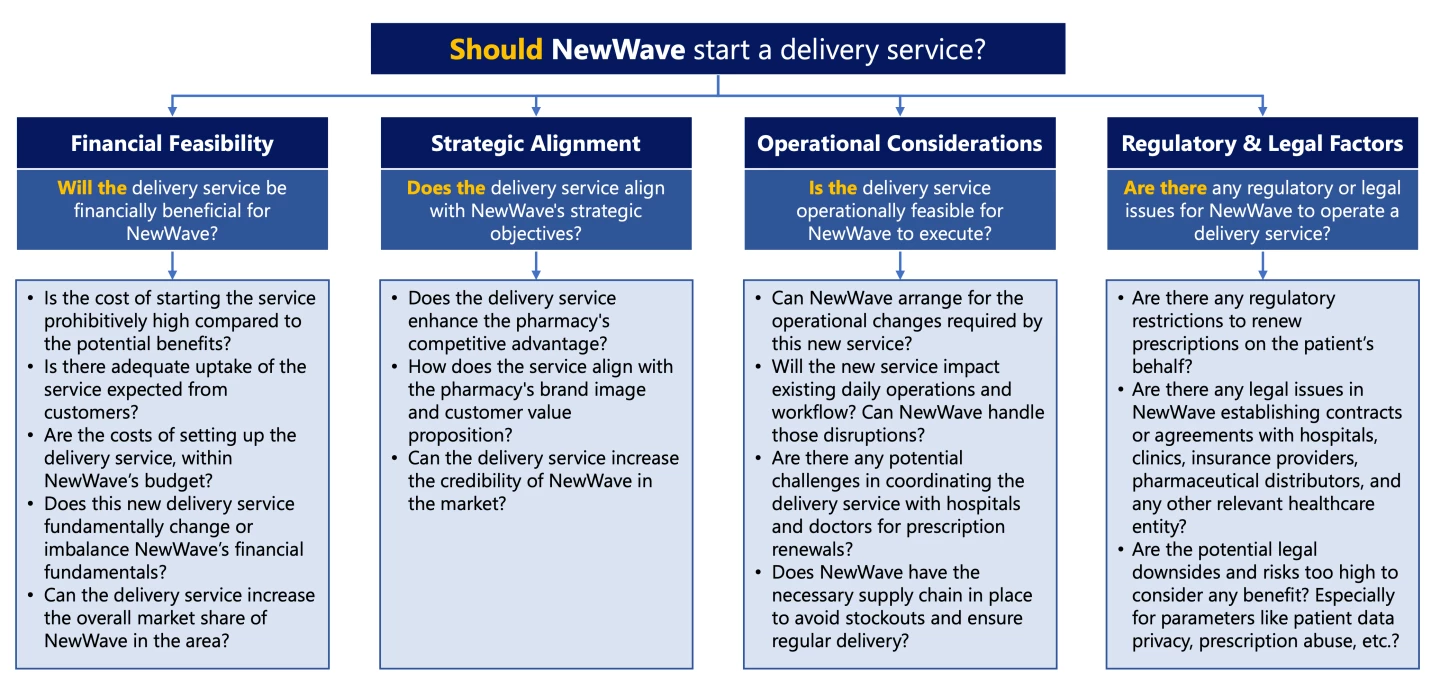
The main case question is the business decision of evaluating if the delivery service is a suitable initiative for NewWave. Evaluating a business decision not only involves looking at the direct financial benefits but also requires a holistic look at non-direct benefits, non-financial benefits, issues, challenges, and other considerations. Below, we have a step-by-step guide on how to structure your approach.

Show sample structure Hide sample structure
Show solution Hide solution

Profitability Analysis of the Delivery Service

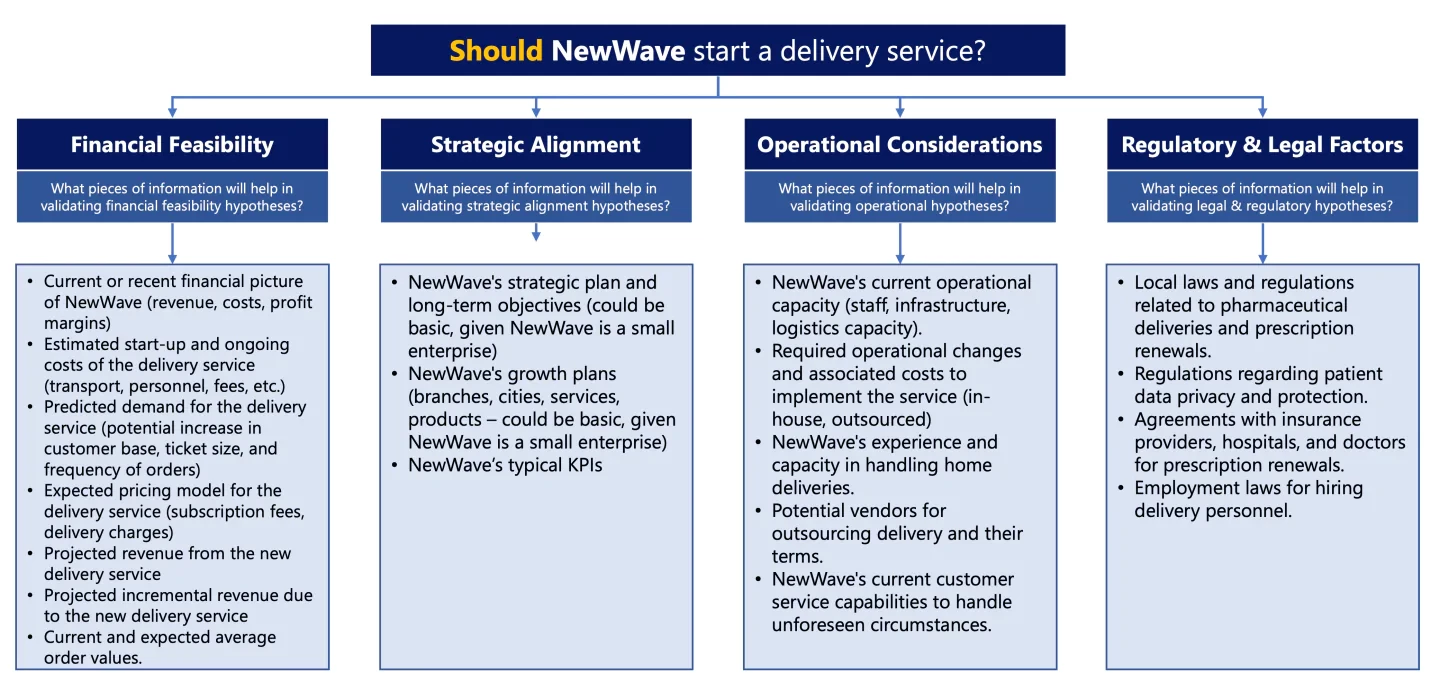
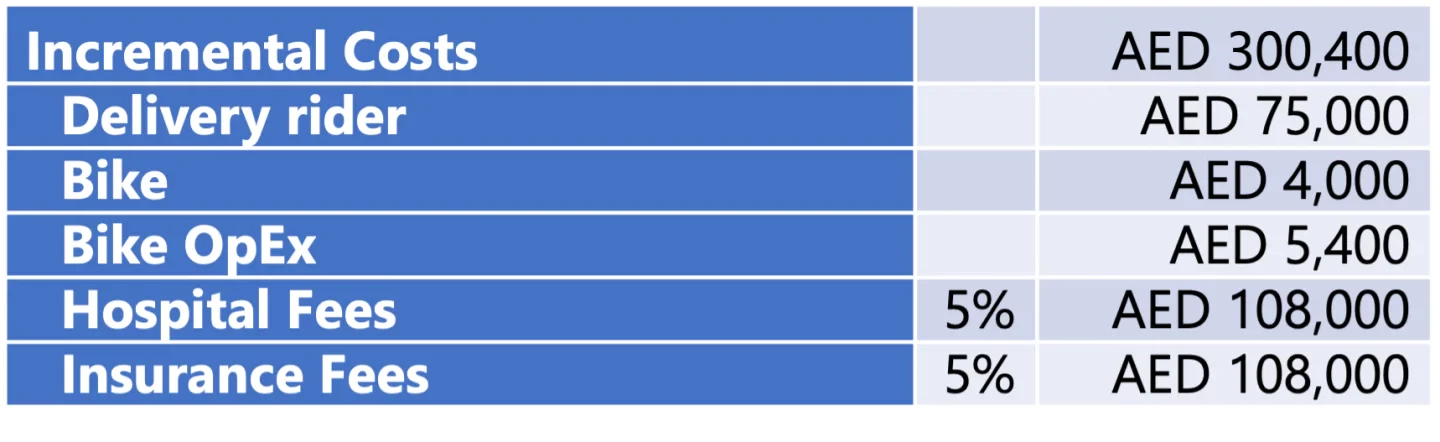
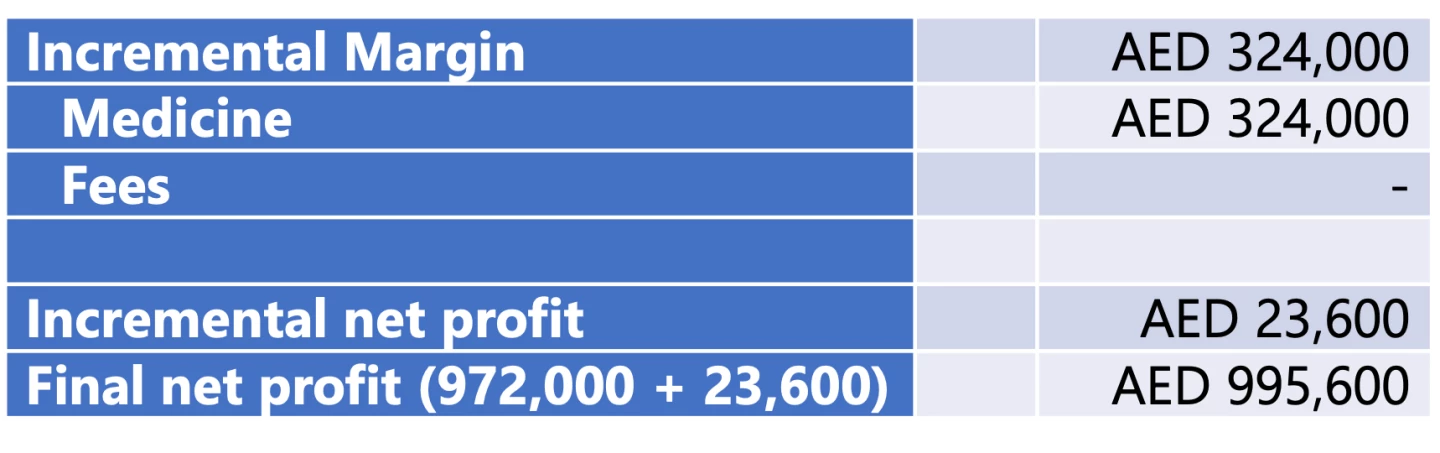
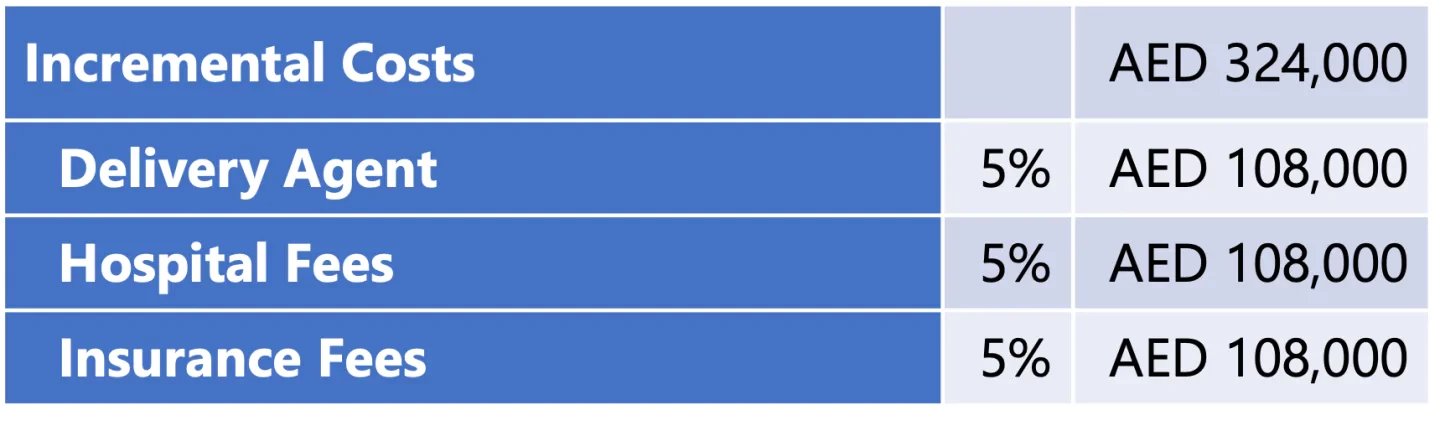
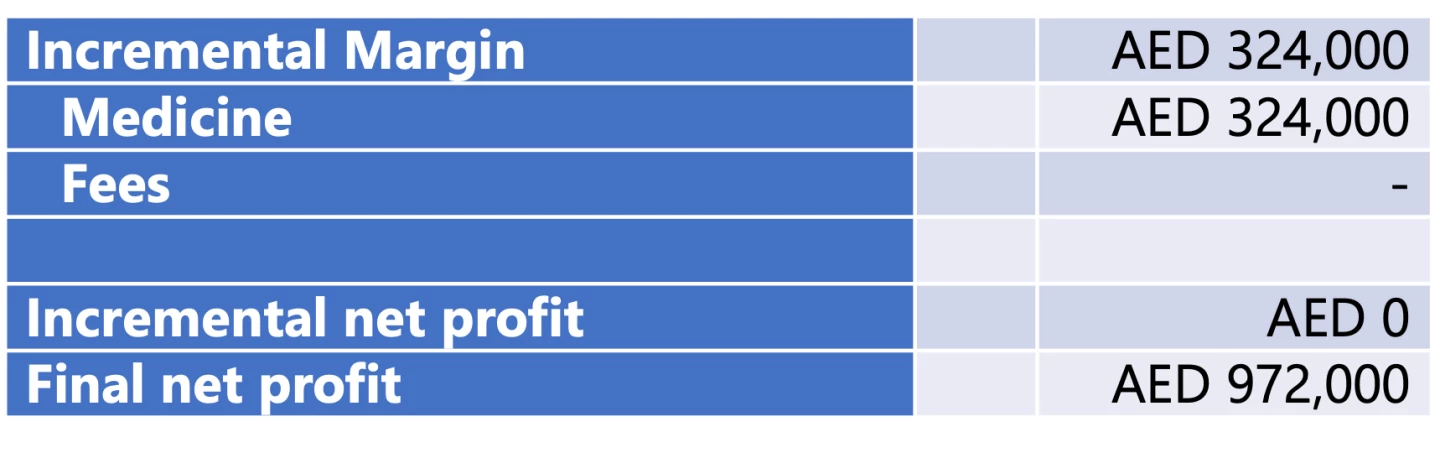
After outlining the framework in the previous section, the candidate should proceed towards estimating the financial feasibility of the new delivery service.

Show solution Hide solution

Evaluation of the delivery service opportunity

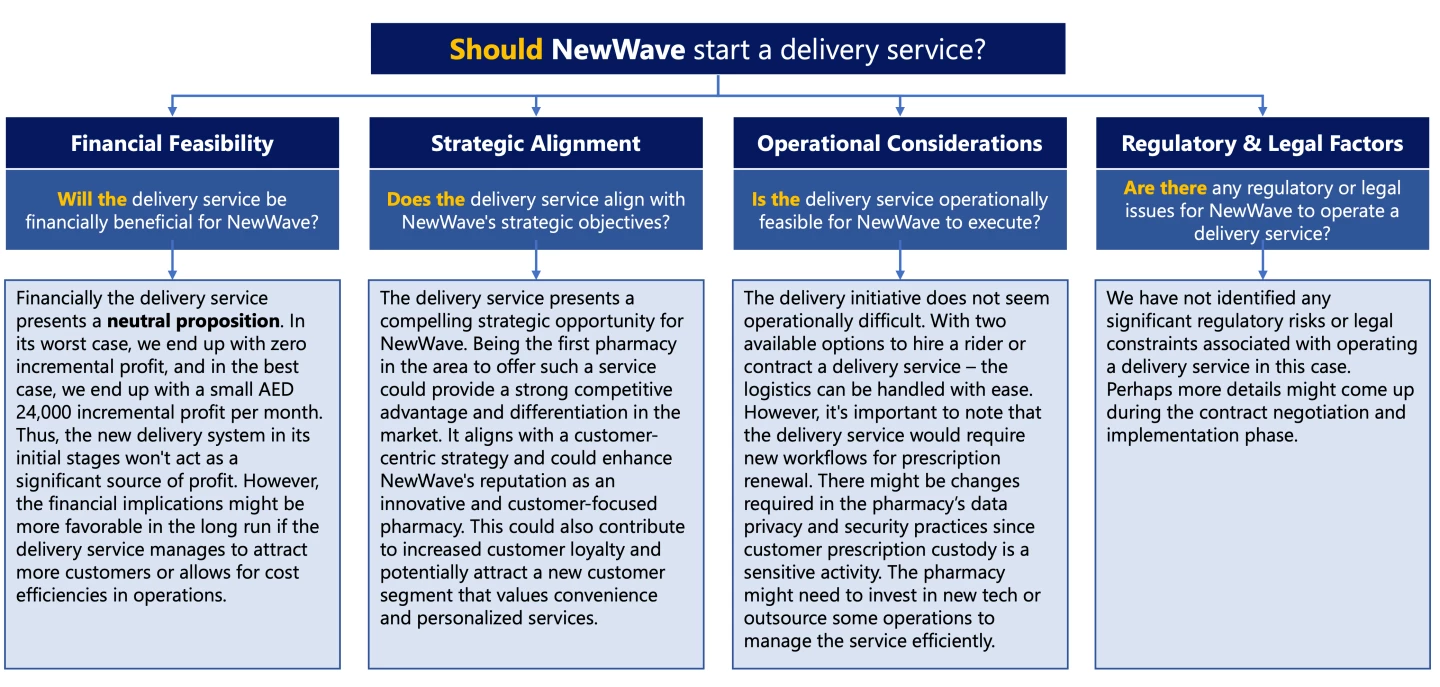
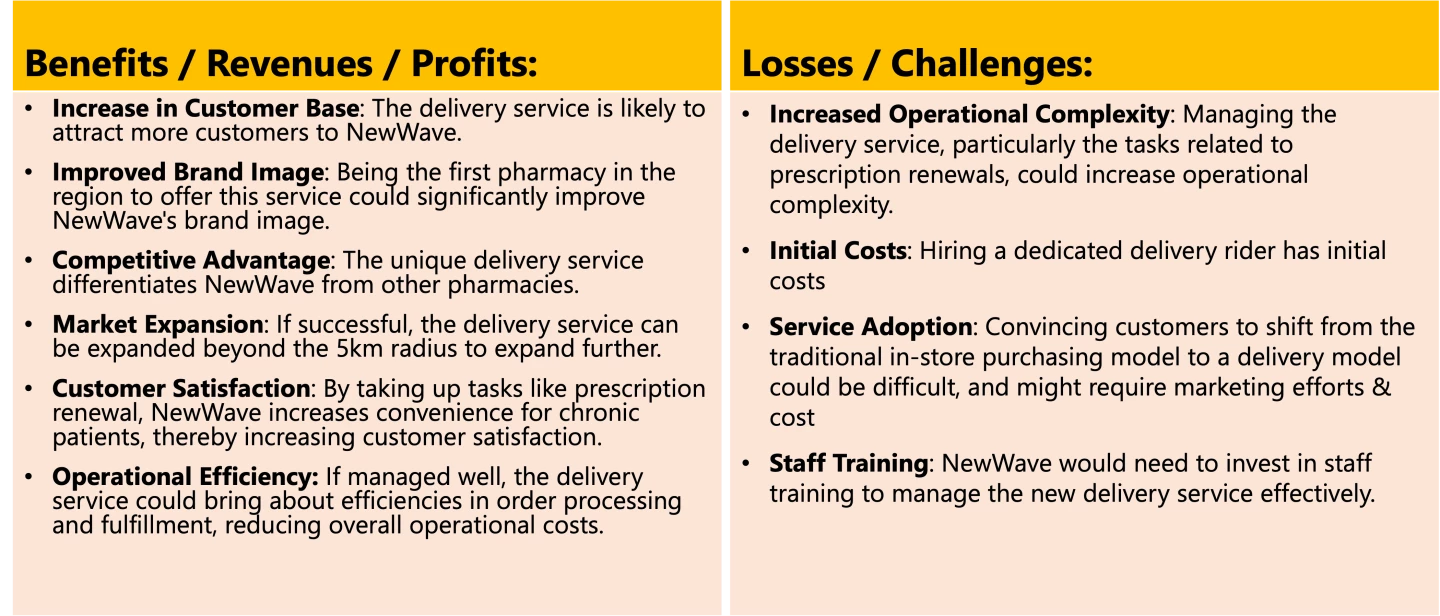
When we evaluate this deal based on our framework through the lenses of Financial, Strategic, Operational, and Legal pillars; we get an overall promising recommendation

Show solution Hide solution

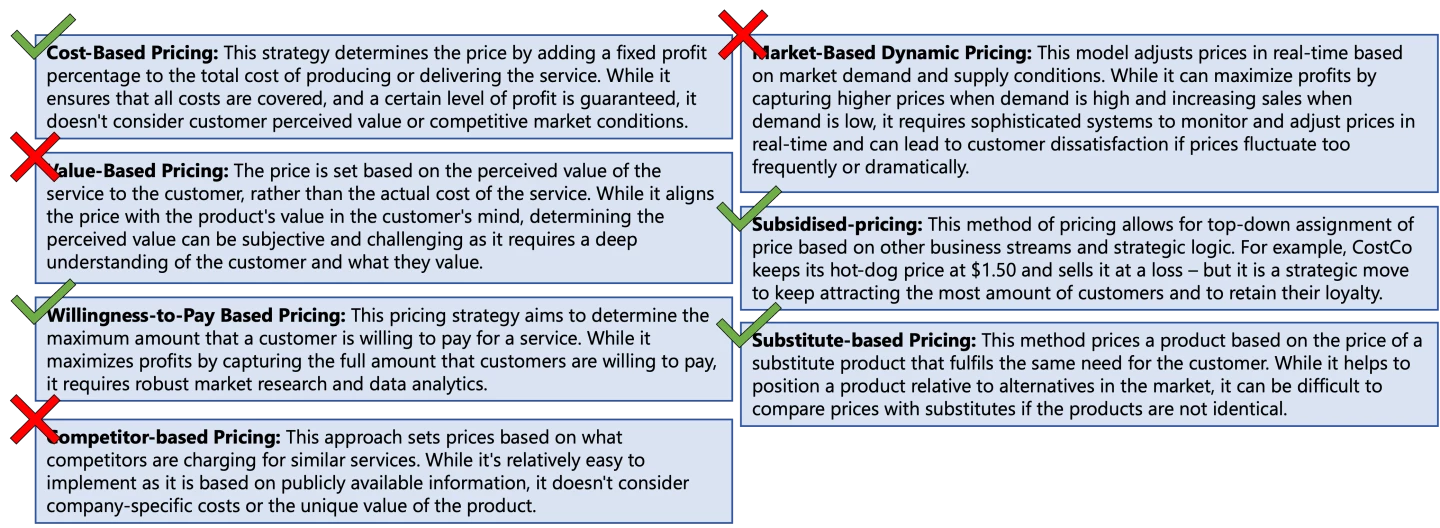
Determining the Pricing

Now that we have assessed the opportunity and deemed it beneficial for NewWave, the next step is to determine an appropriate pricing model. This calculation requires a consideration of various financial and strategic factors.

Show solution Hide solution

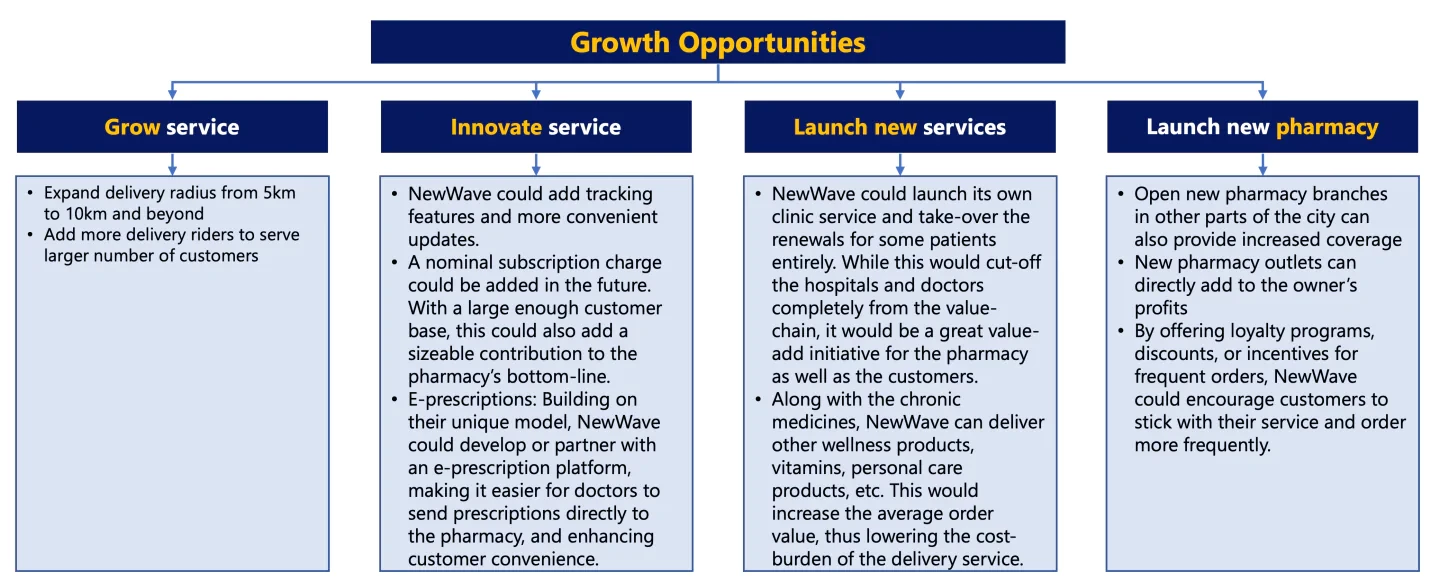
Brainstorming to build on the service

Show solution Hide solution

Case Conclusion

Show solution Hide solution
Practice This Case With Peers Who Are Currently Looking for Interview Partners.
Do you have questions on this case?
Ask our community and receive answers and tips directly from our experts.
Ask a question Ask a question
Related Case Interview Basics Articles
Herzbergs 2-Factor Theory
Common Terms of Business
The Herzberg 2-factor-theory, also known as the two-factor theory or motivation-hygiene theory, was developed in the 1950s by Frederick Herzberg. Herzberg was an American industrial scientist and psychologist who taught as a professor at various universities. His research interests focused on what makes people satisfied at work.His theory aims at explaining and influencing motivation and satisfaction at work. It postulates that there are two distinct groups of factors that influence job satisfaction and dissatisfaction, and they have different effects on employees.Herzberg's research findings are also more relevant than ever in today's work environment, especially in light of the shortage of skilled workers, burnout, and in the debate about a 4-day work week.
To the article
How to Practice Structure
Case Structuring
Case interviews are a central component of the consulting application process. Success in these interviews requires not only analytical thinking, but also the ability to solve problems in a structured manner. Many candidates rely on standardized frameworks, but these alone are often not enough to distinguish themselves from the competition.💡 In this article, we will show you how to effectively practice structuring to succeed in your case interviews.

To the article
Five Dysfunctions of a Team
Common Terms of Business
The model of the "Five Dysfunctions of a Team" comes from the business novel of the same name by Patrick Lencioni. The author, an experienced consultant in team development, tells the story of a tech company that was once successful – until the team began to fall apart. Lencioni shows how certain patterns can hinder a team – leading to a real crisis.Especially in study projects, group work, or later in your career (especially in consulting), it’s important to recognize these dysfunctions – and actively address them. Teamwork is more than task division. It thrives on trust, clarity, and real collaboration.Here are the five main dysfunctions – and how to avoid them. 
To the article
Kotter Change Management Model
Useful Business Analysis Tools
As graduates venturing into the world of consulting, it is essential to equip ourselves with effective change management frameworks. One such model that holds significant importance is the 8-Step Kotter Change Model. Developed by renowned leadership expert John P. Kotter, it is a widely recognized framework that helps organizations navigate through periods of change. Originally introduced in 1995, this 8-Step Model has become one of the go-to methods for supporting employees and managers during times of transformation. In the world of consulting, where change is a constant, understanding and effectively utilizing this model is essential for success. Overview of the 8-Step Kotter Change ModelKotter's model is based on Kurt Lewin's field theory and draws insights from successful change projects in large organizations. It emphasizes the importance of people and effective communication in driving sustainable change within a company. By addressing resistance, creating a shared vision, and embedding new behaviors, the model aims to facilitate successful organizational transformations.The 8-Step Model serves as a roadmap to guide organizations through change initiatives. It comprises a sequence of steps that address various crucial elements of the change process.  Here is a brief overview of each step:Create a sense of urgency: This step involves creating awareness and a compelling reason for change, emphasizing the need for immediate action.Build a guiding coalition: Forming a dedicated team of influential individuals who share a common vision and have the capability to drive change is crucial for its successful implementation.Form a strategic vision and initiatives: Developing a clear and compelling vision for the future state of the organization, along with actionable initiatives, provides a roadmap for change.Enlist a volunteer army: Effective communication of the vision to all stakeholders helps foster understanding, alignment, and commitment towards the change effort.Enable action by removing barriers: Empowering employees to take ownership and initiative in driving the change process helps to overcome resistance and promotes a culture of collaboration.Generate short-term wins: Celebrating and showcasing early wins in the change journey boosts morale, builds momentum, and creates confidence in the change process.Sustain acceleration: Building upon the initial successes, it is crucial to sustain the momentum of change and drive further improvements to solidify the new ways of working.Institute change: To ensure the longevity of the change, embedding new behaviors and practices into the organizational culture is vital, fostering a sustainable transformation. Benefits of the 8-Step Kotter Change ModelThe Kotter Change Management Model offers several advantages for consultants:Structured approach: The model provides a systematic and well-defined framework to guide consultants through the complex process of change management, ensuring a methodical approach achieving desired outcomes.Stakeholder engagement: By involving key stakeholders at various stages, the model encourages collaboration, creates buy-in, and fosters a sense of ownership, which is essential for successful change implementation.Agility and flexibility: The model recognizes the importance of adaptability, enabling consultants to navigate unexpected challenges and adjust strategies based on feedback and evolving circumstances.Focus on short-term wins: The emphasis on generating early successes helps consultants gain credibility, build support, and maintain momentum throughout the change journey. Limitations and ConsiderationsSimplification: The model provides a simplified view of the change process, and real-world situations may involve additional complexities that need to be addressed.Contextual factors: The model does not explicitly address industry-specific or organizational context factors, which may require customization and adaptation of the steps. Importance of the Model for ConsultantsClient engagement: The model enables consultants to engage clients in a structured change management process, fostering trust and establishing their expertise in driving successful transformations.Change leadership: By applying the model, consultants can effectively lead change initiatives, align stakeholders, and guide organizations towards desired outcomes, establishing themselves as trusted advisors.Framework for analysis: The model provides a framework to analyze the current state of organizations, identify gaps and opportunities, and develop comprehensive change strategies, enhancing the value consultants bring to their clients. ConclusionAs aspiring consultants, mastering the 8-Step Kotter Change Model can significantly enhance our ability to drive successful change initiatives. Its structured approach, stakeholder engagement, and focus on short-term wins make it a valuable tool for guiding organizations through complex transformations. By understanding and applying this model, we can contribute to the success of our clients' change journeys and establish ourselves as effective change agents in the consulting industry.Further Reading:Download Kotter's 8-Steps Ebook here.
To the article
Creativity
Consulting Skills & Preparation
Creativity is a crucial skill assessed during case interviews. While traditional case interview preparation often emphasizes analytical and quantitative abilities, creativity is equally important. This skill demonstrates a candidate's ability to think outside the box, develop a wide array of viable ideas, and propose innovative solutions. In this article, we will explore why creativity is vital in case interviews, how interviewers assess it, and strategies to ensure you never run out of creative ideas during your case-solving process. 
To the article
Practice makes the difference
Practicing alone helps – with a partner it’s even better. Solve this case in a realistic mock interview.
Add invitation
Do you have questions on this case?
Ask our community and receive answers and tips directly from our experts.
Ask a question Ask a question