Breaking into finance without a finance degree is possible, especially through entry-level roles and graduate programs at large financial institutions.
Investment banking without a finance degree is extremely competitive, making alternative entry areas like operations, risk, technology, or ESG more realistic starting points.
Networking, relevant experience, and key skills beyond finance knowledge matter more than your major when building a long-term finance career.
Can you break into finance without a finance degree? The short answer is yes. Some people enter finance from non-finance degrees such as STEM, economics, humanities, and even arts. However, it depends a lot on the employer and the type of finance role you want.
Some finance firms like Citi, Morgan Stanley, and JP Morgan encourage non-finance majors to apply for open opportunities including graduate programs. They also tend to have entry-level jobs like research specialist, teller, and fraud specialist that require no degree but a high-school diploma and one to three years of relevant work experience. Other firms specify the major required for each program and role, often preferring those with a degree in finance, accounting, business, or a related field.
In terms of what you want to do, it might be harder recruiting for highly sought-after career paths like investment banking without relevant internships and a finance major. The acceptance rate for IB is usually less than 2%. So, where and how do you get started? Read on to discover possible entry areas, alternative pathways, and crucial skills beyond financial knowledge.
Your first finance job with an unrelated degree or no degree might not be the dream job. But it can get you at the door. Once in, you can learn about the products and different areas of finance then evolve, move up, or find your specialization. Here are some of the areas or departments in financial firms that would be willing to hire candidates without a finance degree:
Each of these areas will have various roles under them. For instance, the Engineering team includes job titles such as Cyber Security Specialist, Quantitative Strategists, Software Engineering, and Systems Engineering. Look for entry level or junior positions. They mostly require a bachelor’s degree and one to three years’ experience in that area or similar role.
Like we mentioned in the introduction, you may also find entry-level roles in finance firms that only require a high school diploma and a few years of relevant work experience.
Land your top job with PrepLounge!
Sign up now for free and get access to our Q&A, top coaches, preparation tools and much more.
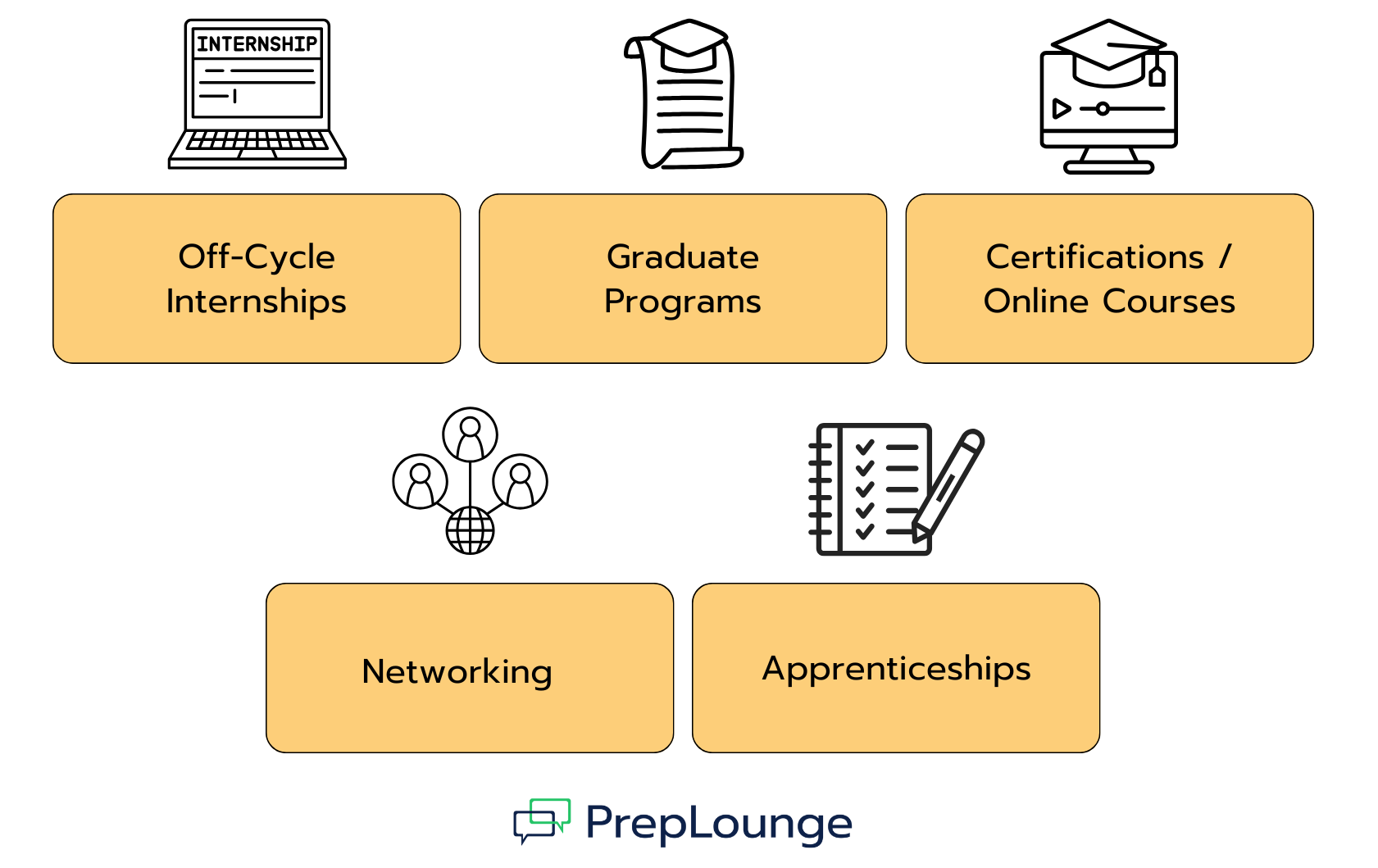
Besides looking for entry-level jobs in the areas discussed above, you can enter finance through off-cycle internships, graduate programs, certifications, apprenticeship programs, and networking. Here’s how to go about each of these.
Off-Cycle Internships
If you’re still in school or graduated recently with a non-finance major, off-cycle internships could be a good way to get your foot at the door. Off-Cycle Internships happen in non-traditional months like January, spring, or fall, rather than during the typical summer break. They’re less competitive than summer internships though the available positions also tend to be lower.
Graduate Programs
Another great pathway to finance without a related degree is graduate programs. These programs are meant for graduates who want to start their career in finances. Most finance firms have them and the criteria, including educational requirements are company-specific.
Certifications / Online Courses
To convince employers that you have a genuine interest in finance, you can look for credible online courses and certifications. The CFA program is one of the most helpful in improving employability. Most of the other courses you’ll do especially on PrepLounge will be all about developing the necessary skills and finance lingo.
Networking
If there’s one thing that you can do to get into finance, try networking. Most finance firms hold virtual and physical events where you can learn more about them and hopefully connect. So, check out the calendars of all the firms you’d like to work with. You can also network with alumni and current employees of the companies you’re targeting on Linkedin.
👉 Check out our event calendar for exciting networking opportunities!
Apprenticeships
Some financial companies like Citi have apprenticeship programs that are open to students yet to graduate from college. They are open to all disciplines not just finance and provide an alternative pathway to careers in finance. The programs have different durations and structures. If the firm likes you and your work during the apprenticeship, you may be considered for full-time roles.
Key Skills Beyond Finance Knowledge
Beyond financial expertise, here are the skills you will need to thrive in a finance career:
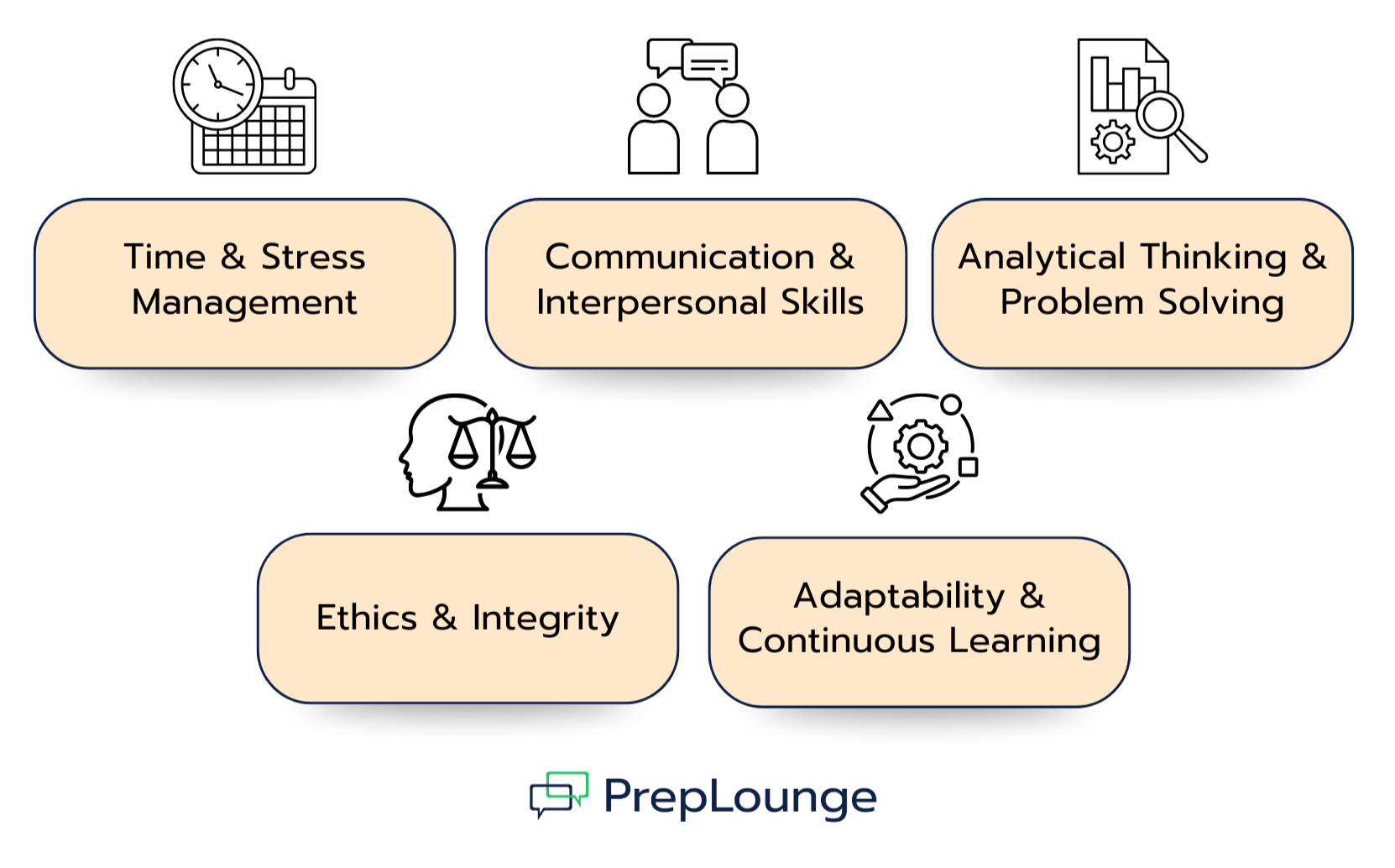
Time and Stress Management: Finance is fast-paced and deadline-driven. You must prioritize tasks, stay organized, and manage workload effectively to remain productive over the long term.
Communication and Interpersonal Skills: Clear written and verbal communication is essential when working with clients, stakeholders, and colleagues. Strong interpersonal skills support collaboration, networking, and career progression.
Analytical Thinking and Problem Solving: Finance requires analyzing data, identifying patterns, and drawing meaningful conclusions. Analytical skills help assess risks and forecasts, while problem-solving skills enable effective solutions to new challenges.
Ethics and Integrity: Handling large amounts of capital and sensitive information makes ethical behavior critical. Maintaining high ethical standards protects both your reputation and your firm’s credibility.
Adaptability and Continuous Learning: Markets, regulations, and technology evolve constantly. Successful finance professionals stay adaptable, commit to continuous learning, and keep up with trends such as sustainable finance or AI-driven analytics.
The Relevance of Cultural and Personal Fit
One thing that hiring managers or recruiters in finance take seriously is cultural and personal fit. They use behavioral and fit questions during recruitment to ensure new hires integrate well with the existing team and share the company’s values. Such efforts may reduce turnover and improve job satisfaction. So, research the firms you want to work with to understand their culture and values. Then practice with behavioral and fit questions when preparing for finance interviews.
Conclusion
Breaking into finance without a finance degree is possible, as some firms like Citi, Morgan Stanley, and JP Morgan actively recruit from diverse academic backgrounds. However, opportunities vary by employer and role type. Entry-level positions in areas such as risk management, operations, technology, ESG, and administrative roles can provide accessible starting points that don't require a finance degree but allow you to gain industry exposure and eventually specialize or advance.
If you want alternative pathways, off-cycle internships offer less competitive opportunities outside traditional summer recruiting, while graduate programs provide structured entry points with company-specific requirements. Pursuing certifications like the CFA program demonstrates genuine interest to employers, but networking remains one of the most powerful strategies. Attending firm events and connecting with alumni on LinkedIn can open doors that applications alone cannot.
Beyond technical knowledge, success in finance depends on mastering time and stress management, communication skills, analytical thinking, ethics, and adaptability. You must also demonstrate strong cultural and personal fit during interviews, as firms prioritize candidates who align with their values and integrate well with existing teams.
Common Questions About Entering Finance Without a Finance Degree
Not always. Some roles require a bachelor’s degree and 1–3 years of experience, but certain entry-level positions accept applicants with only a high school diploma and relevant work experience.
Some strong alternatives include off-cycle internships, graduate programs, online certifications, networking events, and apprenticeship programs at firms like Citi.
Key skills include time and stress management, strong communication, analytical thinking, ethical judgment, and the ability to adapt and continuously learn.
Research the firm’s culture and values, then practice answering common behavioral and fit questions to show that you can work well with the team and adapt to their environment.