[McKinsey] Difference between Delivery Assurance, McKinsey Implementation, McKinsey Operations and Orphoz
I would really appreciate it if someone could help me with the following:
1) How do the above 4 operate/interact within McKinsey? -I see overlapping job titles/roles and responsibilities
2) Which of the above is a partner track?
3) What is the actual hierarchy order with names in each? -Business Analyst/Associate/EM/AP/P -> Generalist (Integrative track) -Delivery Consultant/Delivery Manager/Sr. Delivery Manager / Delivery Director -> ? -Implementation Coach/Specialist/Facilitator -> ?
3) Which of these are client facing / client site / client travel roles?
You've hit on a really common point of confusion within the firm; it's definitely not always clear from the outside. The core distinction is between the generalist (or "integrative") track and various specialist functional or implementation capabilities that have evolved over time.
Think of the generalist track (your BA/A/EM/AP/P) as the primary strategy and overall client relationship path. The others – McKinsey Operations, McKinsey Implementation, Delivery Assurance – are specialist teams that often embed with or are deployed by generalist teams to provide deep expertise or hands-on execution. Operations brings functional depth (e.g., lean manufacturing, supply chain), Implementation focuses on change management and getting things done on the ground, and Delivery Assurance often means highly experienced folks providing project management oversight or critical path support on complex transformations. Orphoz, on the other hand, is a specific model (largely France-based) that's more self-contained, often focused on public sector or large-scale implementation with a slightly different operating structure.
All of these specialist paths have their own distinct career tracks with partner-equivalent roles (e.g., Senior Expert, Associate Partner, Partner within their practice). So, yes, they are partner track, but it's not the same as the generalist partner track. Titles vary by role and region, but you'll see parallels like Associate/Manager/Senior Expert within these specialist streams. And to your last point, nearly every role at McKinsey is client-facing and involves travel; specialist roles often require more time on-site during execution phases. There are certainly regional nuances in how these practices are structured and named.
Top US BCG / MBB Coach - 5,000 sessions |Tech, Platinion, Big 4 | 9/9 personal interviews passed | 95% candidate success
Hi there,
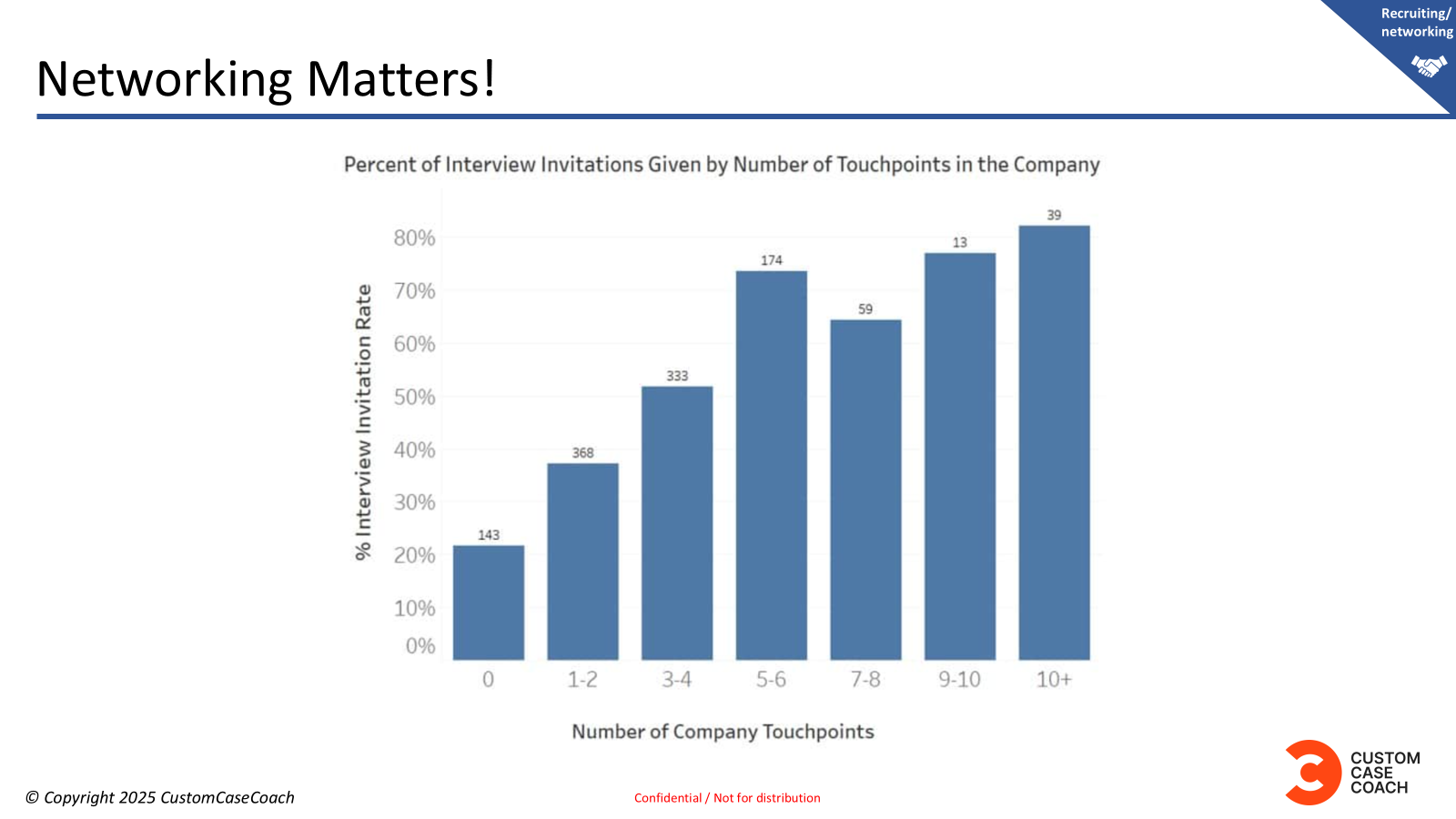
These are great questions to network around. Speak to people actually working in these practices to get the real picture on day to day responsibilities, hierarchy, and client travel expectations. You will get more from one 20-minute call than from 10 forum posts.
And guess what? You have to do it anyway!
At a high level:
Generalist (integrative) track: The classic McKinsey path. Bird's eye view, shorter projects, high-level strategy. Think "what should we do?"
Implementation / Delivery Assurance / Operations: These are the "doers." They implement the strategy. Projects tend to be longer... sometimes months, sometimes years. Deeper execution focus, often more time on-site.
In terms of caliber: the bar is the same across tracks, but what they look for is different. Implementation wants implementation experience. If you are picking implementation, you should intend to stay that way. If you are picking generalist strategy, intend to stick to that. Switching is possible but not straightforward.
On the partner track question: all of these tracks have their own career progression and senior equivalents. Worth confirming specifics directly with the teams.
And one thing worth flagging: please don't join a practice just because you want a different one. For all you know, you might end up loving Operations and never want to leave. Join the practice you actually want to work in.
For region-specific nuances and exact hierarchy details, that is exactly what networking is for. Those answers vary by geography and leadership.
McKinsey does not publish clean org charts for these practices and the structure shifts over time. Here is the directional picture.
On how they differ:
McKinsey Implementation (MI): helps clients execute strategy. Largest of the four. Client facing, heavy travel, project based.
Delivery Assurance: quality control and risk management, mostly internal. Less client facing than MI.
Operations practice: strategy side of operations, supply chain, manufacturing. Closer to the generalist track in work type.
Orphoz: implementation and transformation entity, operates somewhat separately. Predominantly European, focuses on large scale digital and org transformations.
On partner track: generalist and Operations are clearly partner track. MI has its own path and some people do make partner but it is narrower. Orphoz has its own separate progression.
On hierarchy: your generalist track listing is accurate. Implementation and Delivery tracks have their own titles but map roughly to similar seniority levels.
On regions: yes, significantly. Orphoz is mostly European. MI is more global. Presence varies by office.
For precise current details, speak directly to a McKinsey recruiter or someone inside these practices. That conversation will tell you more than anything available publicly.
These 'parts' of the firm have grown at different speeds in the last year, swallowing other parts, and constantly shifting and refining their scope.
If you want a proper answer, that at least reflects the current moment, I would do two things:
1 Get a high level idea by reading the mckinsey website and reading closely the description of each practice
2 (very important) have a chat with 1-2 people from each practice to get a real sense of what to expect. If you haven't had these sort of coffee chats before, here's how to approach them: