Back to overview

Importance of networking and tips

Hey! I've just started to seriously prepare for an MBB application by solving cases and getting ready for interviews. However I haven't really done any networking yet and I keep hearing about its importance. That's why I wanted to ask some questions about networking (there are a lot, so feel free to answer as many as you can): 

How important is networking really?

What is its real goal? Is it just getting referrals or is there anything else?

How important are referrals? Are they helpful just to get past the resume screening or can they also be helpful further in the recruiting process?

How exactly is networking normally conducted? Cold-emails? Cold approach through LinkedIn? Cold approach in person in events?

Are referrals (or connections) from consultants from a different office than the one you're applying for useful?

Any networking tips you could share?

8
100+
7
Be the first to answer!
Nobody has responded to this question yet.
Top answer
Profile picture of Komal
Komal
Coach
edited on Mar 18, 2026
50% off 1st session. MBB Consultant. LBS MBA. 3+ years coaching experience. Practical coaching with in-depth feedback

Hi Pablo, it's good that you're thinking about networking! To answer your questions:

  • Importance & goal of networking

This is two-fold:

1) Think about the number of applications that any of these firms receive. If they have met you and can put a face to your application, it might mean that they spend just that extra bit of time reviewing your documents and think of you more as a human rather a bunch of keywords

2) From your perspective, as you write your cover letters or prepare your answers to questions such as why the firm or why the office, generic information from the website will not cut it. Networking can help you get a real sense of what the firm and job entails as well as help you determine a cultural fit 

Many people you speak with as part of your networking will not be in a position to offer you a referral, but that does not make the networking itself worthless. 

  • Role of referrals

Again, given the high volume of very suitable candidates that apply for these jobs, getting a referral means someone at that firm is vouching for your abilities and fit with the firm. This can help you get a bit more focus on your application, another glance if you will primarily at the screening stage. After this, your interview performance is what will carry you forward

  • How to network

It is usually a combination of attending firm events (group and 1:1), speaking with people you already know at these firms, and reaching out to other people on LinkedIn if their background appeals to you or you don't know many people at the firm 

  • Referrals from other offices

Any referral is valuable. Particularly from the same office, but even if someone within the wider firm is willing to vouch for you, that is a positive signal. It is important, however, that it is not a superficial referral - they must be able to speak to some conversation between you or something where you worked together that gives them that impression

  • General networking tips

Keep a track of your networking efforts. Ensure your conversations and messages are personalised. And be genuinely interested in whichever environment you participate in (group or 1:1)

Since you have just started prepping, you might find this Essential Consulting Recruiting Starter Kit very helpful too.  

Good luck and happy to chat further! 

Profile picture of Ian
Ian
Coach
edited on Mar 18, 2026
Top US BCG / MBB Coach - 5,000 sessions |Tech, Platinion, Big 4 | 9/9 personal interviews passed | 95% candidate success

Hi Pablo,

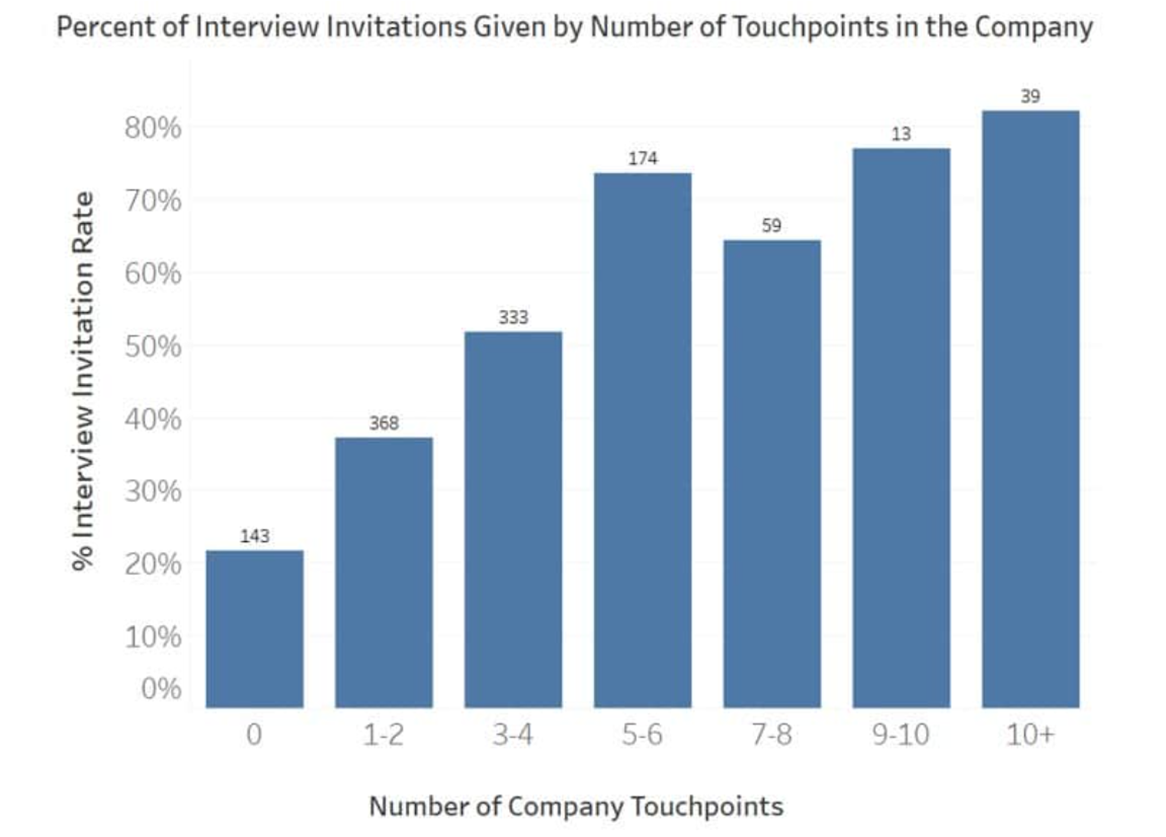
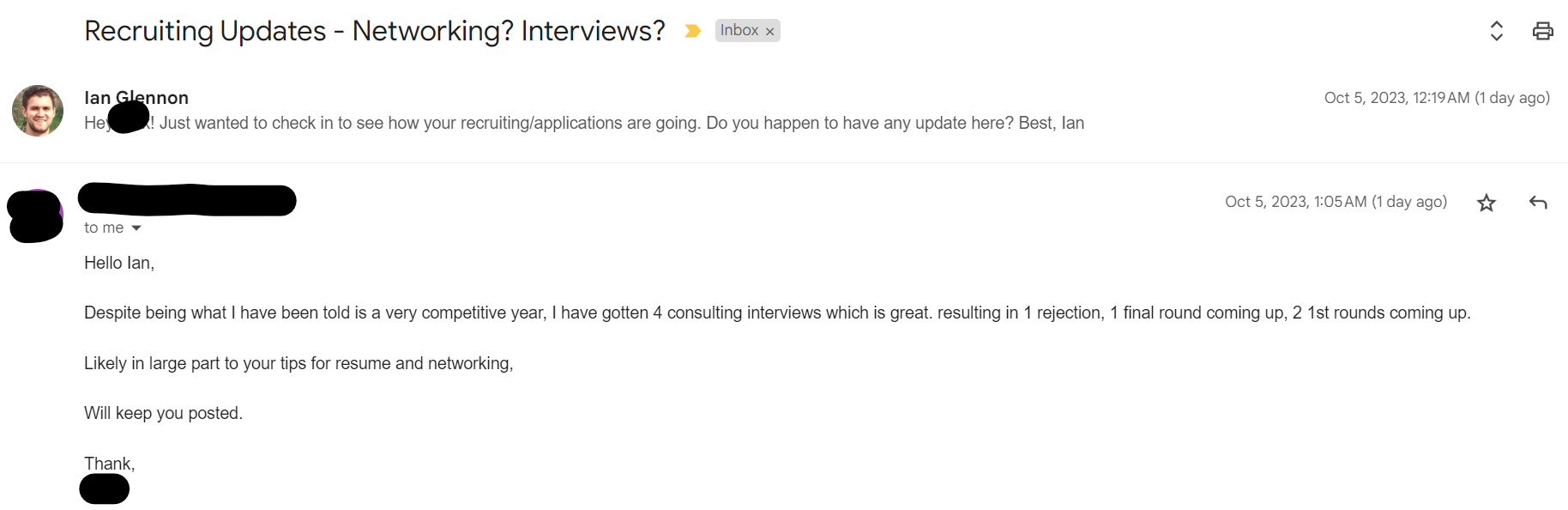
Networking is genuinely important. I'll be direct about this because I've actually run the analytics on it... the data shows networking is meaningfully correlated with getting interviews. This is not soft advice.

Let me take your questions in order.

How important is it really? Very. Especially at undergrad and lateral hire level where the volume of applicants is enormous and human signals separate you from the pile.

What is the real goal? Yes, referrals. But also a warm introduction that makes your application actually get looked at rather than skimmed. A referral from a Principal gets your CV in front of real eyes. Beyond that, you learn things about the firm that sharpen your cover letter and your "why this firm" answer.

How important are referrals? Most important at the application stage (getting past resume screening) but they don't hurt later either. A strong internal advocate can make a difference if you're borderline after R1.

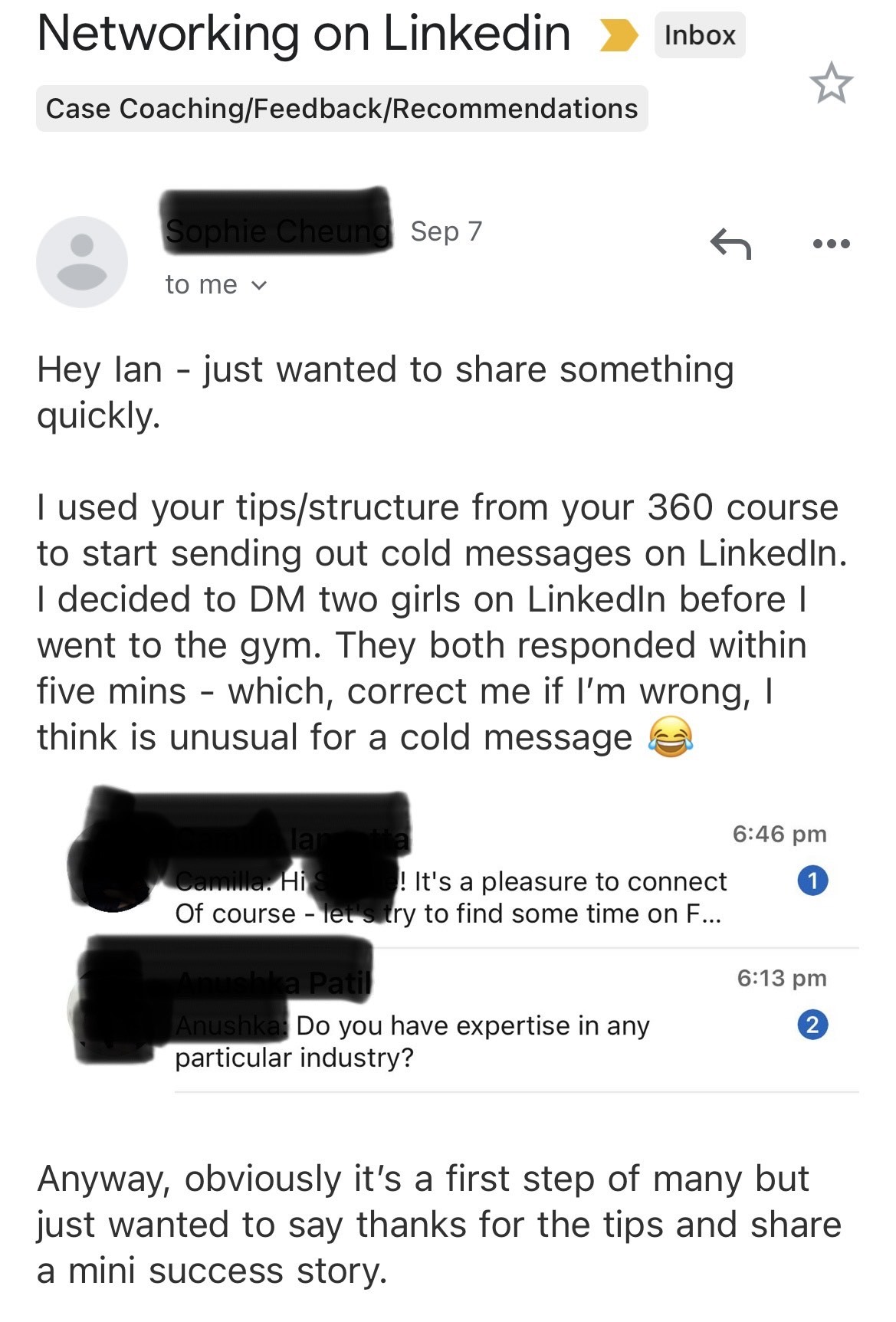
How is it conducted? Cold LinkedIn messages are most common and work fine. Cold emails too, if you can find them. The key is personalisation. Generic messages get ignored. Concise and tailored messages get responses. It is a numbers game... reach out to a lot of people and expect a lot of silence. That's normal.

Cross office referrals? Useful, not ideal. A referral from someone in your target office carries more weight. That said, any warm introduction beats no introduction.

Tips:

  1. Apply to 30+ firms. Cast wide.
  2. One message per person. Please don't spam them.
  3. Ask about their experience, not for a job. Let the conversation get there naturally.
  4. If the firm runs a networking event or coffee chat, attend and engage. Missing one is a real negative signal.

My Applications Course covers networking end to end including tactics, templates, and how to approach the call itself: Applications Course

For the broader mindset on this, search The Consulting Offer Blueprint on Spotify or Apple Podcasts... goes deep on exactly this.

Feel free to shoot me a message too!

Profile picture of Franco
Franco
Coach
on Mar 18, 2026
Ex BCG Principal & Global Interviewer (10+ Years) | 100+ MBB Offers | 95% Success Rate

Hi Pablo,

Networking matters, but usually less than people think, and in a narrower way.

It won’t get you over the line by itself, and it definitely won’t rescue a weak resume. Where it does help is when you’re somewhere in the middle of the stack. It gives your profile a closer look and makes people a bit less skeptical.

The main mistake is treating networking like a referral hunt. That’s not really the point. What you’re actually trying to do is get someone inside the firm comfortable enough to put their name behind you. When that happens, a referral often comes on its own. When it doesn’t, asking for one rarely changes much.

And referrals themselves mostly matter at the screening stage. They can get your resume a bit more attention and maybe a little more benefit of the doubt. But once you’re in interviews, that effect is basically gone. From there, it’s just your performance.

In practice, this doesn’t need to become a huge project. A small number of strong conversations in your target office is usually enough. Be clear, structured, and easy to talk to. Don’t push it. If the interaction is solid, the next step tends to happen naturally.

If you want to discuss further feel free to DM me

Best,
Franco

Profile picture of Verena
Verena
Coach
on Mar 19, 2026
Free intro call | Ex-BCG | Experienced MBB Case Interview Coach | First session -50% off

Hi Pablo,

I would focus on a strong application and casing first and use networking as a helpful extra. Don't worry if you don't have a big network yet - plenty of people get offers without it. It’s mostly useful to see which firm fits you best and to get someone to vouch for you.

I would suggest the following:

  • The Goal: Besides a referral, networking gives you insider info. Learning what consultants actually do all day helps you sound much more natural and prepared during your interview
  • Outreach: Start with alumni from your university. On LinkedIn, send a short note asking for a 15-minute coffee chat. If there are in-person events, definitely go
  • Tip: Don't ask for a referral right away. Instead, ask strong and interesting questions first. Usually, if the chat goes well, they will offer to flag your resume for you

Good luck and feel free to drop a message anytime :)

Profile picture of Ashwin
Ashwin
Coach
on Mar 19, 2026
Ex-Bain | Help 500+ aspirants secure MBB offers

Networking matters more than most people realize, but not just for referrals. The real goal is getting your application seen by a human before it gets filtered out. At MBB, volumes are massive. A referral means your resume actually gets read.

On referrals: they matter most at the screening stage. Once you are in the interview process, you are on your own.

On other office referrals: better than nothing. At McKinsey and Bain any office referral carries some weight. At BCG it tends to be more office specific.

How to do it:

  • LinkedIn outreach is the most practical. Keep it short, specific, and genuine. Nobody responds to templates.
  • Ask for a 20 minute conversation, not a referral. The referral comes naturally if the call goes well.
  • Cold email works less reliably than LinkedIn for consulting.

Tips that actually matter:

  • Talk to people at the level you are applying for
  • Do your homework before the call. Know what they work on.
  • Ask for advice, not favors. That framing changes everything.
  • Follow up with a thank you and keep the relationship warm.

Start now. Do not wait until your cases are perfect.

Profile picture of Kevin
Kevin
Coach
on Mar 19, 2026
Ex-Bain (London) | Private Equity & M&A | 12+ Yrs Experience | The Reflex Method | Free Intro Call

That's a really smart question to be asking now, and you're right, networking comes up constantly in MBB recruiting, often with a lot of conflicting advice.

Here's the reality: its importance isn't just about getting a referral, though that's certainly a part of it. The real goal of networking is twofold: first, to gather genuine, firm-specific insights into the culture, project types, and current challenges, which you can then weave into your interview answers to demonstrate authentic interest and fit. Second, it's about making yourself known. When you eventually interview, the firm wants to hire someone who genuinely wants to be there, not just someone who solved a lot of cases. The more people who know you, even casually, and can speak to your curiosity and engagement, the stronger a signal of fit you send.

Referrals are indeed helpful primarily for getting past the initial resume screening. At many firms, a referral moves your application from a blind algorithm or mass review pile to a human being, which is a significant advantage. It doesn't guarantee an interview, and certainly doesn't help much further down the process (you still have to perform in cases and fit interviews), but it drastically improves your chances of getting that first look. And yes, referrals or connections from consultants in any office are helpful; firms often share internal databases, and an internal champion, regardless of location, can still vouch for you.

For how to network, LinkedIn is your primary tool. Send personalized connection requests or brief messages to consultants at your target firms, ideally alumni from your university or people in a field you're interested in. Keep your initial message very short, indicating you're an aspiring consultant and are interested in learning about their experience (not asking for a job or referral upfront). If they agree to a 15-minute chat, come prepared with intelligent questions that show you've done your research, focusing on their journey and insights. Always be respectful of their time and follow up with a thank you.

Hope this clarifies things a bit! All the best with your prep.

Profile picture of Cristian
on Mar 19, 2026
Most awarded MBB coach on the platform | verified 88% success rate | ex-McKinsey | Oxford | worked with ~400 candidates
Profile picture of Alessa
Alessa
Coach
on Mar 21, 2026
10% off 1st session | Ex-McKinsey Consultant & Interviewer | PEI | MBB Prep | Ex-BCG

hey Pablo :)

networking is really important, but it’s not just about referrals. the main goal is to learn about the firm, get insights for your interviews, and show genuine interest, referrals help, but context and relationships matter more than just a name.

referrals mostly help to get past resume screening, but connections also give you insider tips on culture, expectations, and sometimes even feedback on your case prep. they’re useful for offices other than the one you’re applying to, though local connections obviously help more.

networking is usually a mix: LinkedIn messages, emails, and attending events if possible. keep it short, curious, and respectful, ask about their experience and advice, not just jobs.

tip: start early, be consistent, and treat it as relationship building, not a transactional task.

best,
Alessa :)