




Back to overview
Expert case by
Ian

BCG - YodaPhone

Difficulty: Intermediate
Candidate-led
4.4
< 100 Ratings
Times solved: 13.7k

Case Prompt:

Our client is Yoda's Phones, a national telecommunications company. They have embarked on a three-year, multi-million dollar digitization program. Unfortunately, two years into the program, they realize they are significantly behind schedule and over budget.

You have been brought in to right the ship and ensure the digitization program is delivered as planned.

=====================================================

Framework can be found here: 

YodaPhone Optimal Framework Solutions 

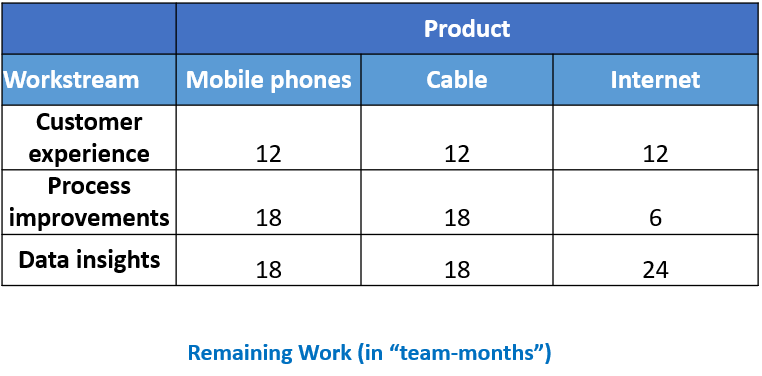
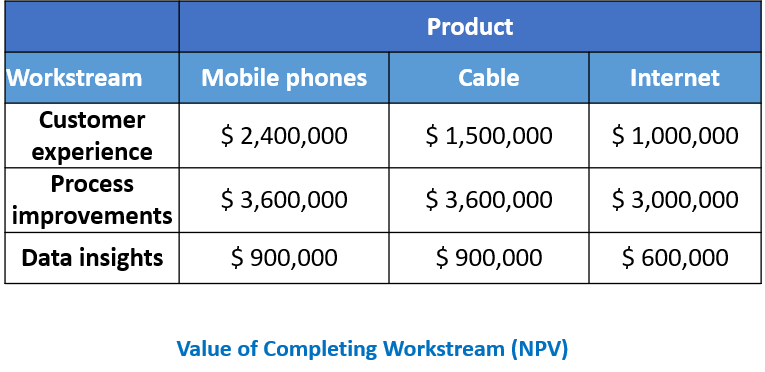
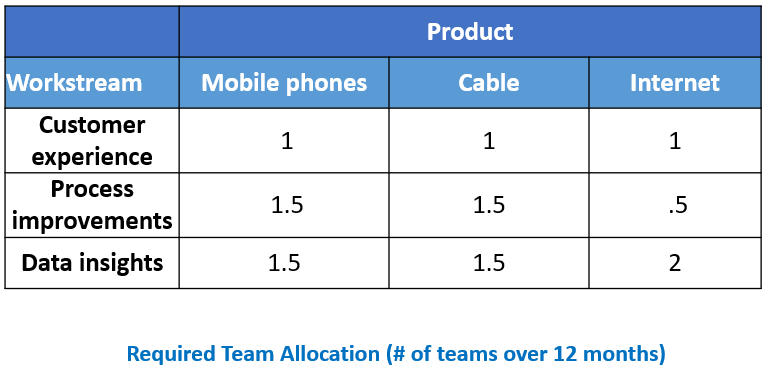
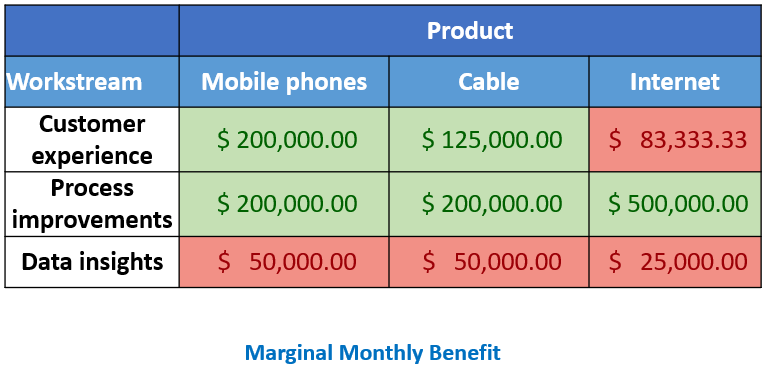
Overview of All Exhibits
Practice makes the difference
Practicing alone helps – with a partner it’s even better. Solve this case in a realistic mock interview.
Schedule on Meeting Board

Sample Structure

Show sample structure Hide sample structure
Show additional information Hide additional information
Show solution Hide solution

II. Scope analysis

Show additional information Hide additional information
Show solution Hide solution

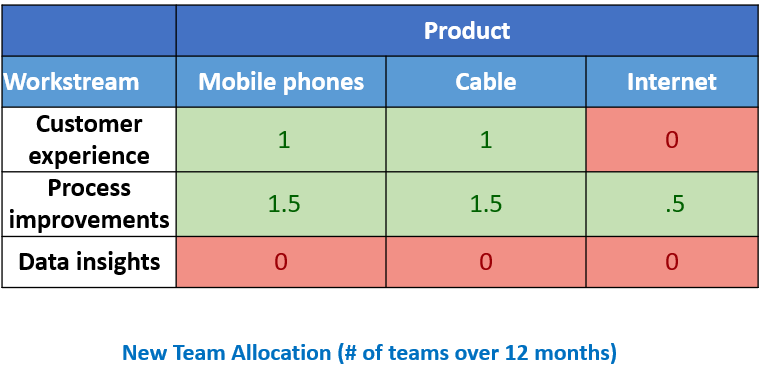
III: Team allocation and cost savings

Show additional information Hide additional information
Show solution Hide solution

Further Questions

What teams would you cut? (Candidate should explain their logic/structure)

Show solution Hide solution
Practice This Case With Peers Who Are Currently Looking for Interview Partners.
Do you have questions on this case?
Ask our community and receive answers and tips directly from our experts.
Ask a question Ask a question
Related Case Interview Basics Articles
The Stacey Matrix
Useful Business Analysis Tools
The Stacey Matrix is an important tool for navigating complexity in project management, developed by Ralph Douglas Stacey in the 1990s.In this article, we’ll break down how the matrix works, explore different project types, and discuss its relevance in consulting and case interviews. Plus, we’ll dive into its strengths and limitations in project management. Let’s get started!

To the article
Herzbergs 2-Factor Theory
Common Terms of Business
The Herzberg 2-factor-theory, also known as the two-factor theory or motivation-hygiene theory, was developed in the 1950s by Frederick Herzberg. Herzberg was an American industrial scientist and psychologist who taught as a professor at various universities. His research interests focused on what makes people satisfied at work.His theory aims at explaining and influencing motivation and satisfaction at work. It postulates that there are two distinct groups of factors that influence job satisfaction and dissatisfaction, and they have different effects on employees.Herzberg's research findings are also more relevant than ever in today's work environment, especially in light of the shortage of skilled workers, burnout, and in the debate about a 4-day work week.
To the article
The Influence Model
Useful Business Analysis Tools
The McKinsey Influence Model was developed in the early 2000s and is the result of extensive research and practical experience by consultants. Originally designed to help companies tackle challenges, the model has now established itself as an indispensable framework in the field of consulting.
To the article
Design Thinking
Common Terms of Business
Design Thinking is more than just an approach or a method – it's a non-linear, iterative process that places creativity and problem-solving at its core. To understand this mindset, let's look at the three essential elements of Design Thinking: People, Process, and Place. These elements form the foundation for applying Design Thinking in business consulting.
To the article
Cost-Benefit Analysis
Case Math
The Cost-Benefit Analysis is not only a powerful decision-making tool in business, economics, and public policy, but it also plays a significant role in case interviews, especially in consulting and strategic management scenarios. The Analysis helps candidates and interviewers alike to evaluate different strategies by comparing the financial and non-financial costs against the anticipated benefits.🔍 The article deals with the application of cost-benefit analysis for decision-making, the consideration of quantitative and qualitative factors and the evaluation of the relative attractiveness of options. We also provide a specific application example.
To the article
Practice makes the difference
Practicing alone helps – with a partner it’s even better. Solve this case in a realistic mock interview.
Add invitation
Do you have questions on this case?
Ask our community and receive answers and tips directly from our experts.
Ask a question Ask a question