Jan 6, 2026
4 min
Discover 10 promising opportunities AI brings to the industry, alongside a comprehensive look at the

In the field of talent acquisition, the integration of Artificial Intelligence (AI) into hiring processes has become an interesting option that is transforming traditional recruitment methods. As technology continues to advance, organizations are increasingly turning to AI to optimize and enhance their recruiting processes, driving digital progress.
The role of AI in recruitment has expanded beyond the routine tasks of screening resumes and now permeates various stages of the recruitment funnel. From automated resume parsing to predictive analytics for candidate success, AI is not only revolutionizing how companies identify and engage with potential hires, but also challenging established norms in talent acquisition.
The use of Artificial Intelligence (AI) in job application processes provides various avenues for improving efficiency and objectivity. Here are some ways in which companies can utilize AI in job applications:
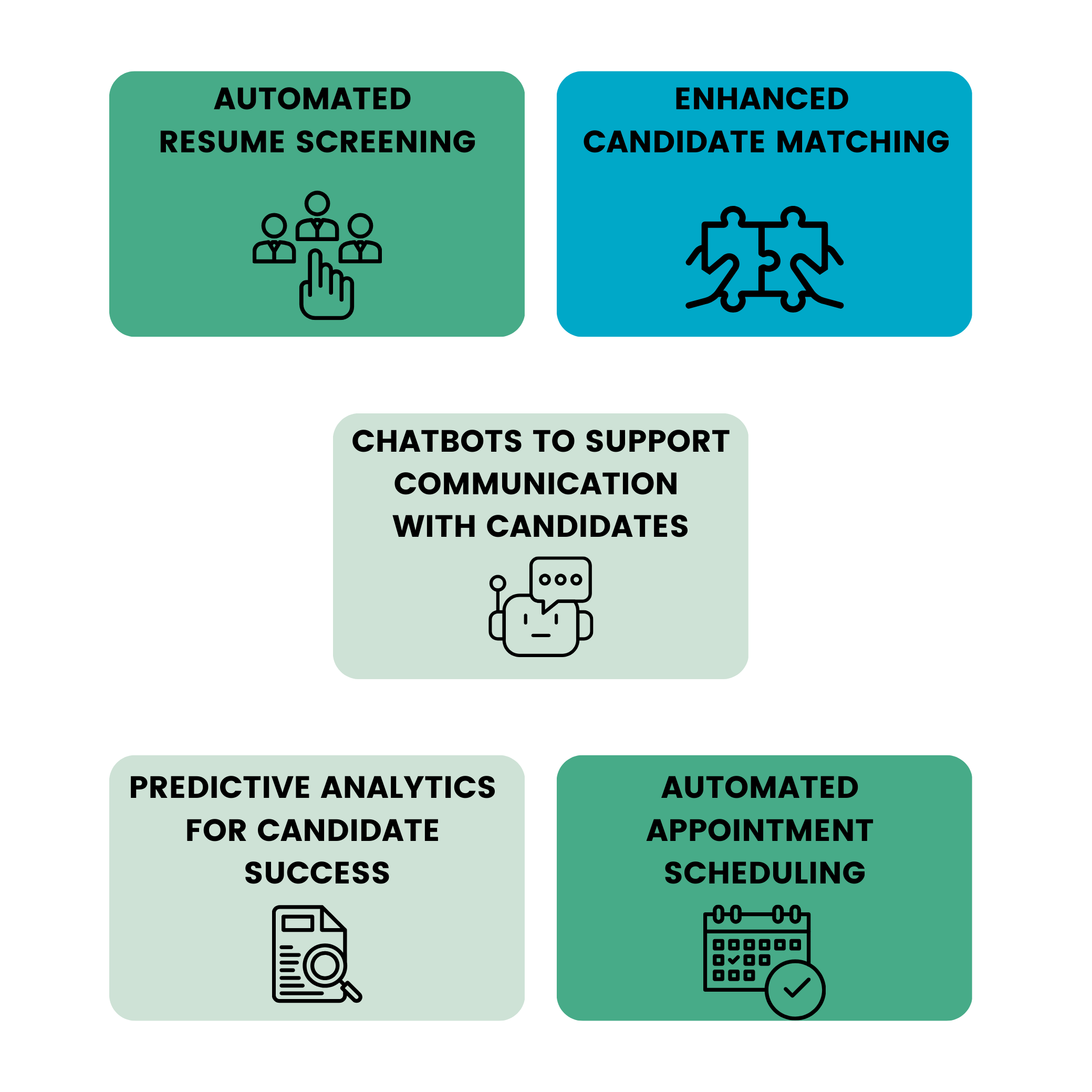
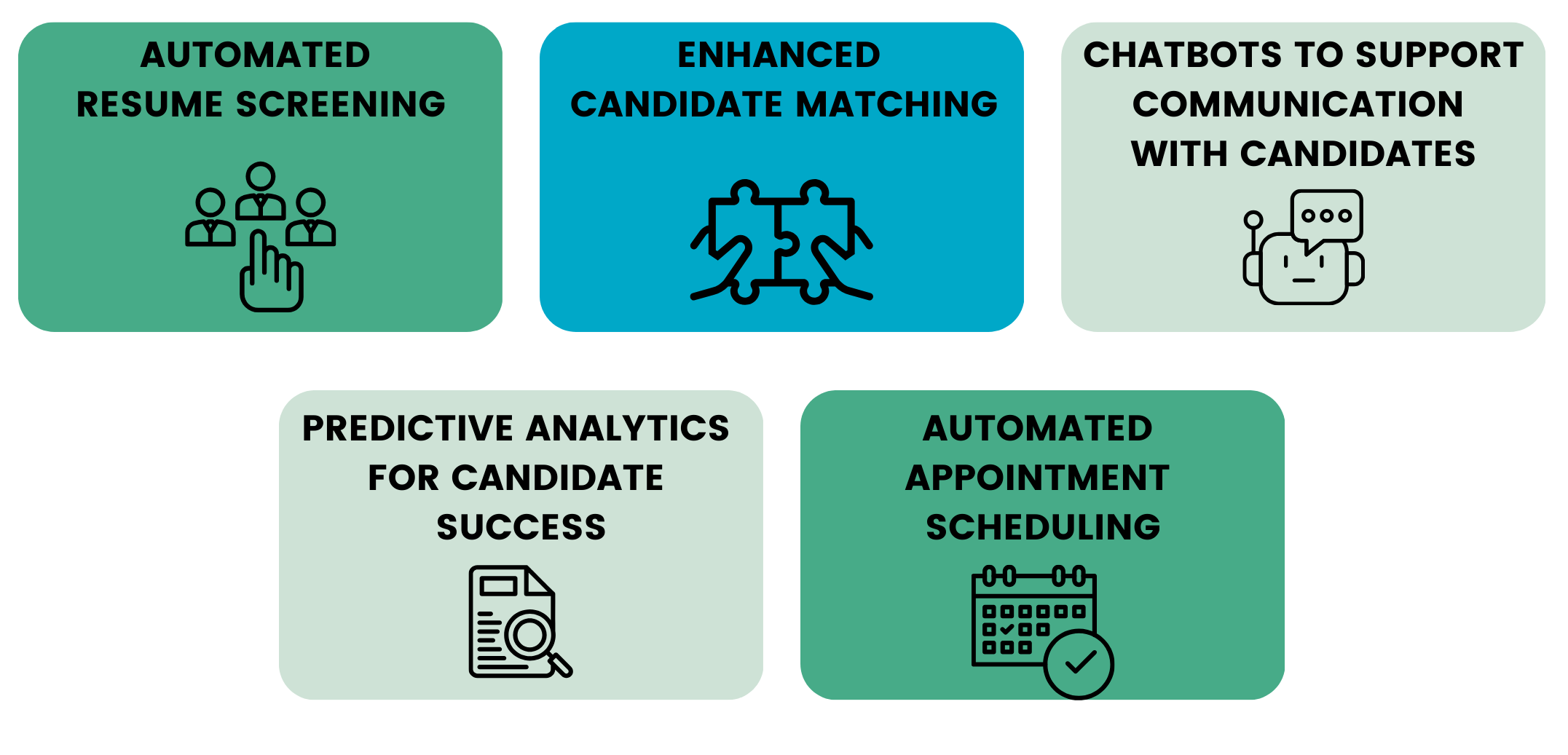
Automated Resume Screening:
Artificial intelligence can be employed to automatically sift through large volumes of applications and evaluate candidates based on predefined criteria. Additionally, algorithms can be configured to minimize unconscious bias and ensure fair selection. This allows HR managers to focus on meaningful applicant profiles and identify qualified candidates more effectively.
Enhanced Candidate Matching:
AI algorithms can analyze complex data to optimally match candidates with the specific requirements of a position. The algorithms not only take hard factors such as qualifications and professional experience into account, but can also take soft skills such as cultural fit and personal preferences into account. In this way, candidates and companies are matched efficiently, which positively contributes to long-term employee loyalty.
Chatbots to Support Communication with Candidates:
AI-driven chatbots can provide applicants with supportive information, answer frequently asked questions, and facilitate navigation through the application process. In addition, they are sometimes used to pre-qualify applicants by conducting automated interviews and collecting relevant information about the candidates. With the continuous development of artificial intelligence and natural language processing (NLP), chatbots can take on increasingly complex tasks and offer an increasingly personalized candidate experience.
Predictive Analytics for Candidate Success:
By analyzing data, AI can be used to make predictions about the success of candidates. This allows for better decision-making in selecting candidates based on their skills and past achievements. This analysis can include various variables such as applicant qualifications, past performance, cultural fit, and other factors. This allows HR managers to make more precise decisions about which applicants to hire and where there are potential risks or opportunities for success.
Automated Appointment Scheduling:
AI can optimize the process of scheduling interviews by automatically proposing times and syncing calendars. Using chatbots or special appointment scheduling platforms, applicants can be automatically connected to relevant contacts in the company to coordinate job interviews, telephone interviews or other selection processes. The AI-powered systems can match availability, suggest appointment options and synchronize calendars in real time, significantly speeding up the appointment finding process and minimizing the likelihood of appointment conflicts.
As organizations delve deeper into the field of talent acquisition, the integration of Artificial Intelligence (AI) into job applications has emerged as a pivotal force, reshaping traditional hiring methodologies. The utilization of AI in recruitment processes brings forth a spectrum of advantages and disadvantages, igniting a discourse on the transformative impact it has on hiring.
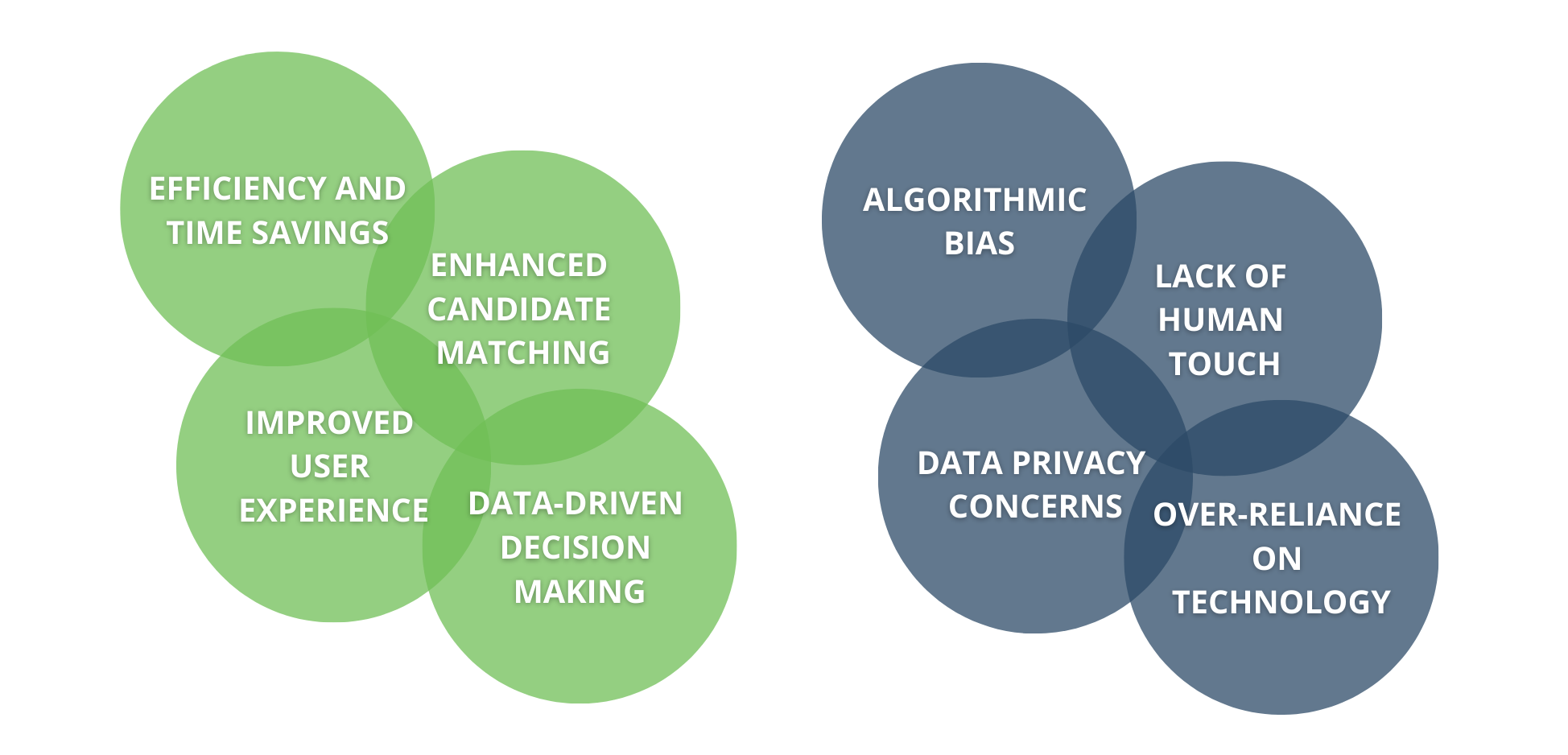
The integration of Artificial Intelligence (AI) into recruitment processes is undoubtedly having a significant impact on the talent acquisition sector. This development is not only changing traditional recruitment methods, but also brings with it a variety of advantages and disadvantages that need to be carefully considered.
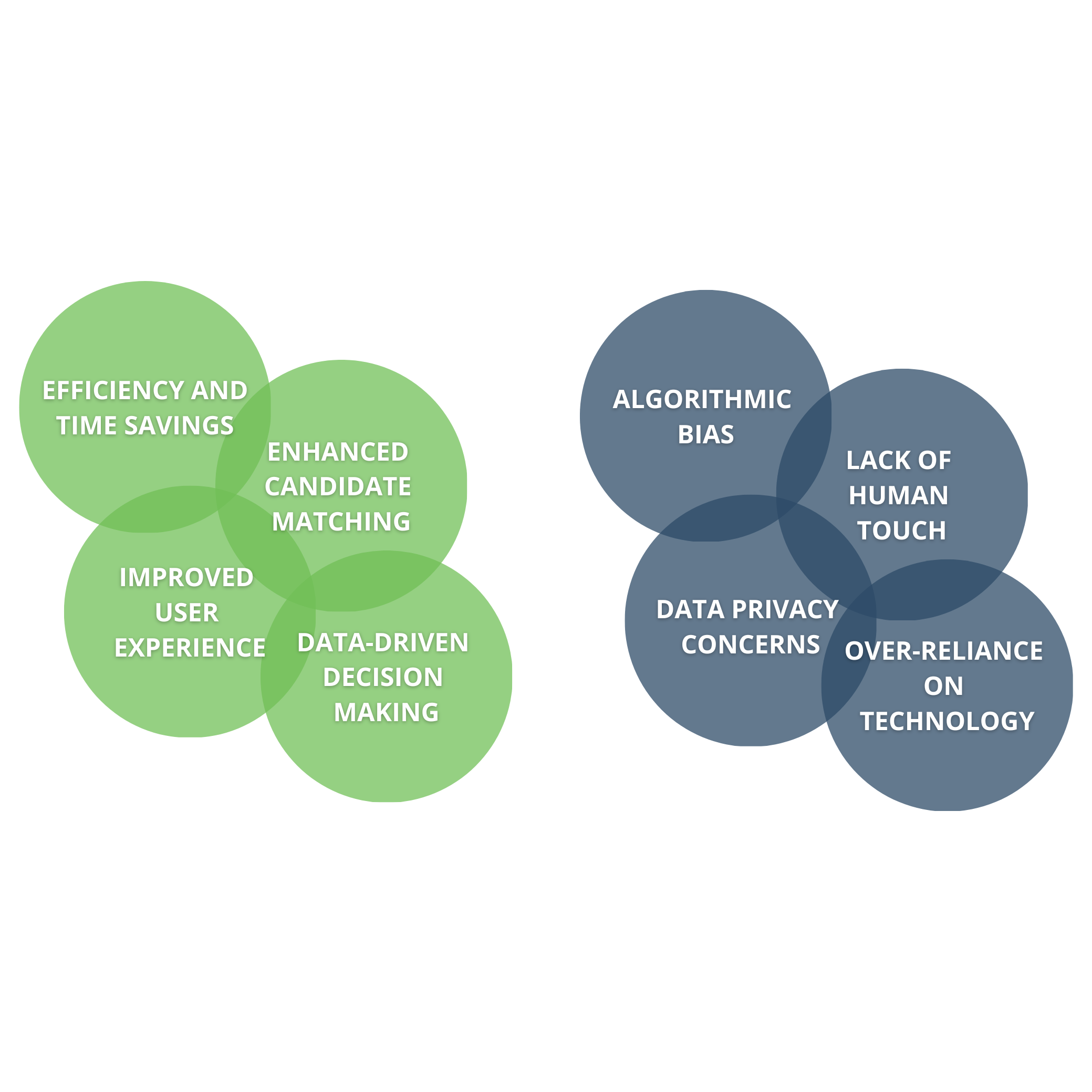
The benefits of AI in recruitment are obvious: efficiency and time savings through automated resume screening, improved candidate matching, optimized user experience through AI-driven chatbots and data-driven decision making for continuous improvement of recruitment strategies.
However, disadvantages must also be acknowledged. Algorithmic bias can exacerbate existing inequalities, the lack of a human touch can affect the quality of hiring decisions, privacy concerns need to be addressed, and an over-reliance on technology could lead to exceptional candidates being overlooked.
Ethical and transparent standards must be adhered to in order to fully utilize the potential of AI to assist in application processes. Despite automation, human intuition and judgment should continue to play an important role. Finding the right balance between the advantages and disadvantages of AI will be crucial to ensure effective and inclusive hiring practices in the recruitment process.